-
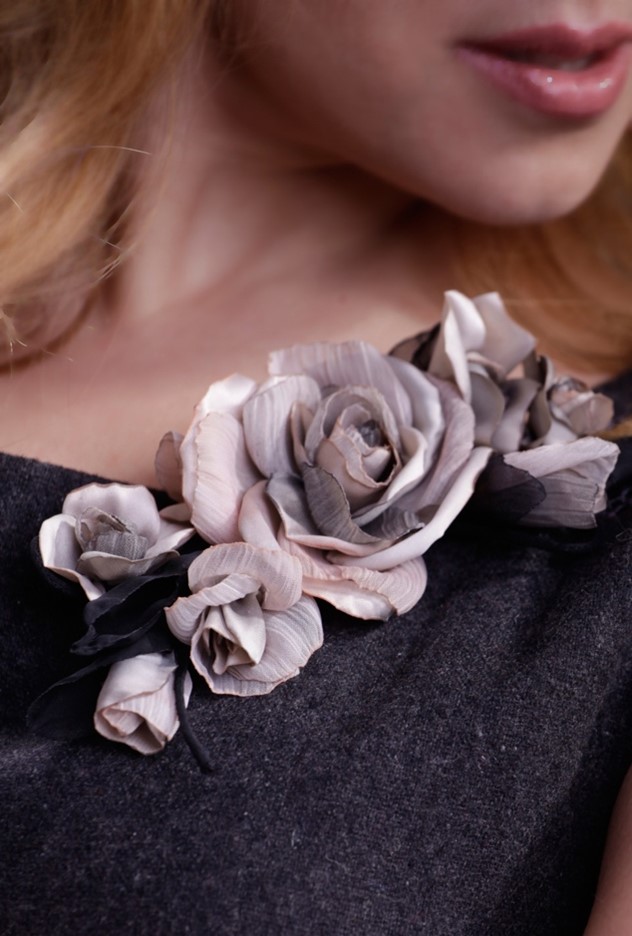
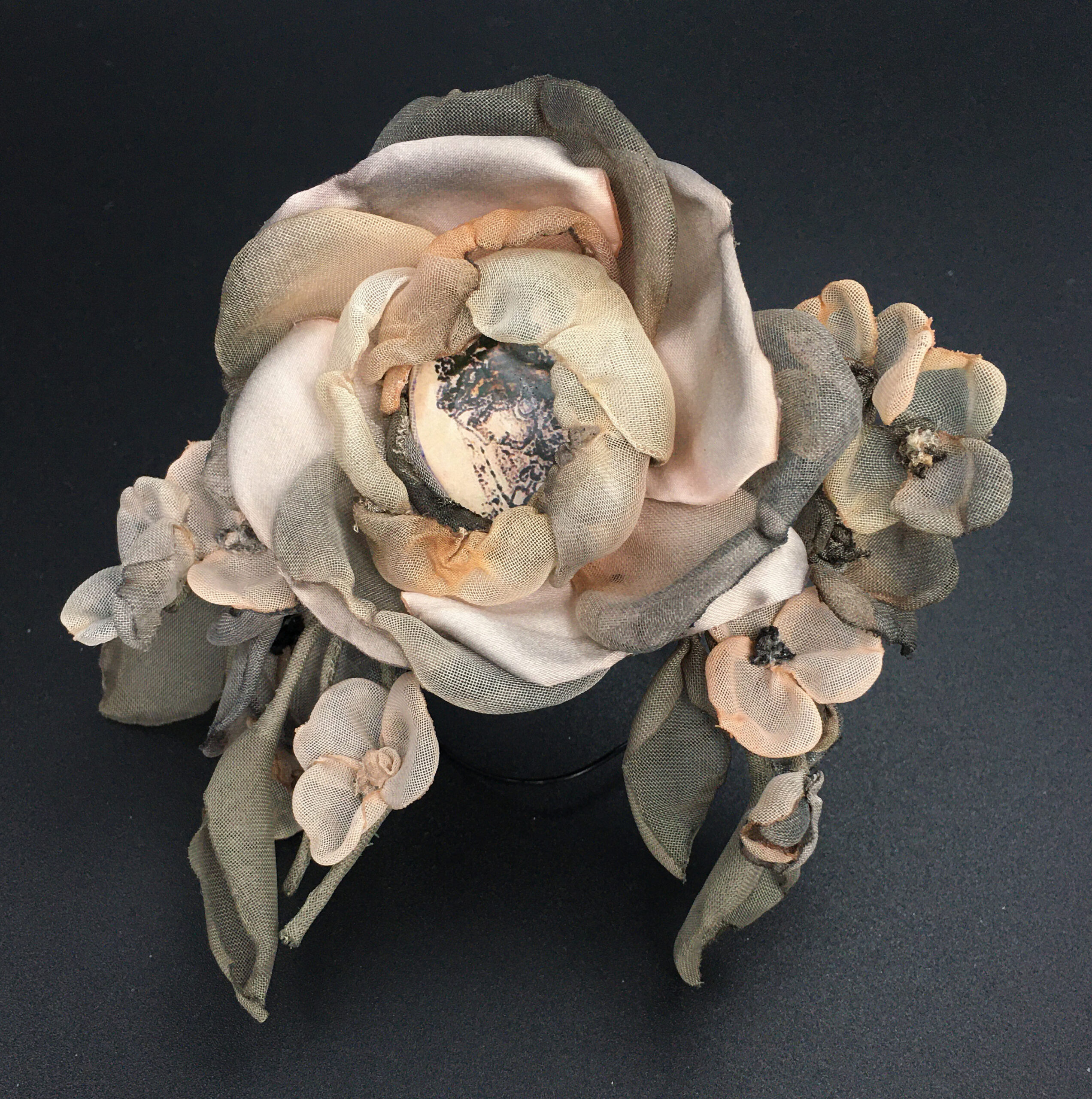
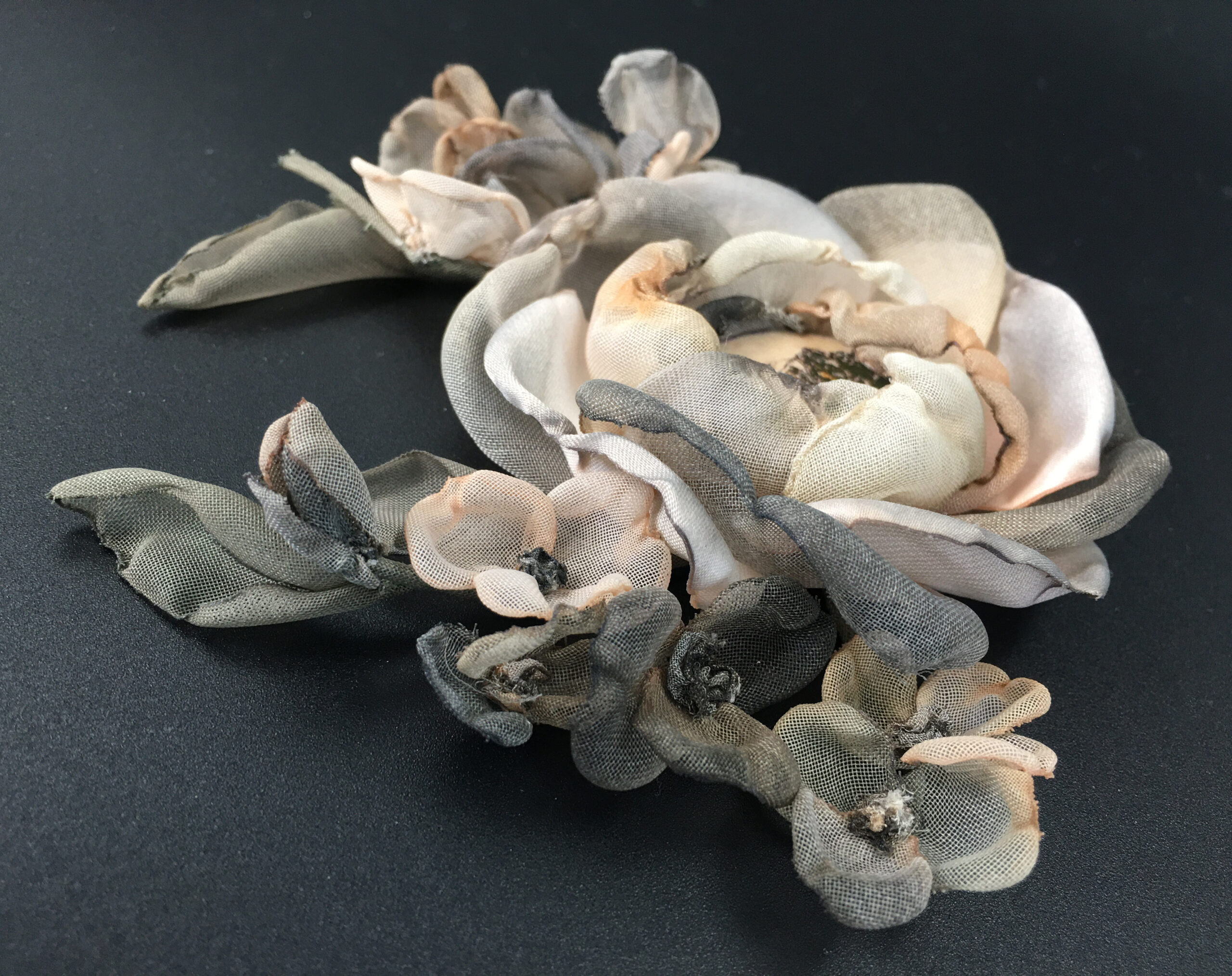
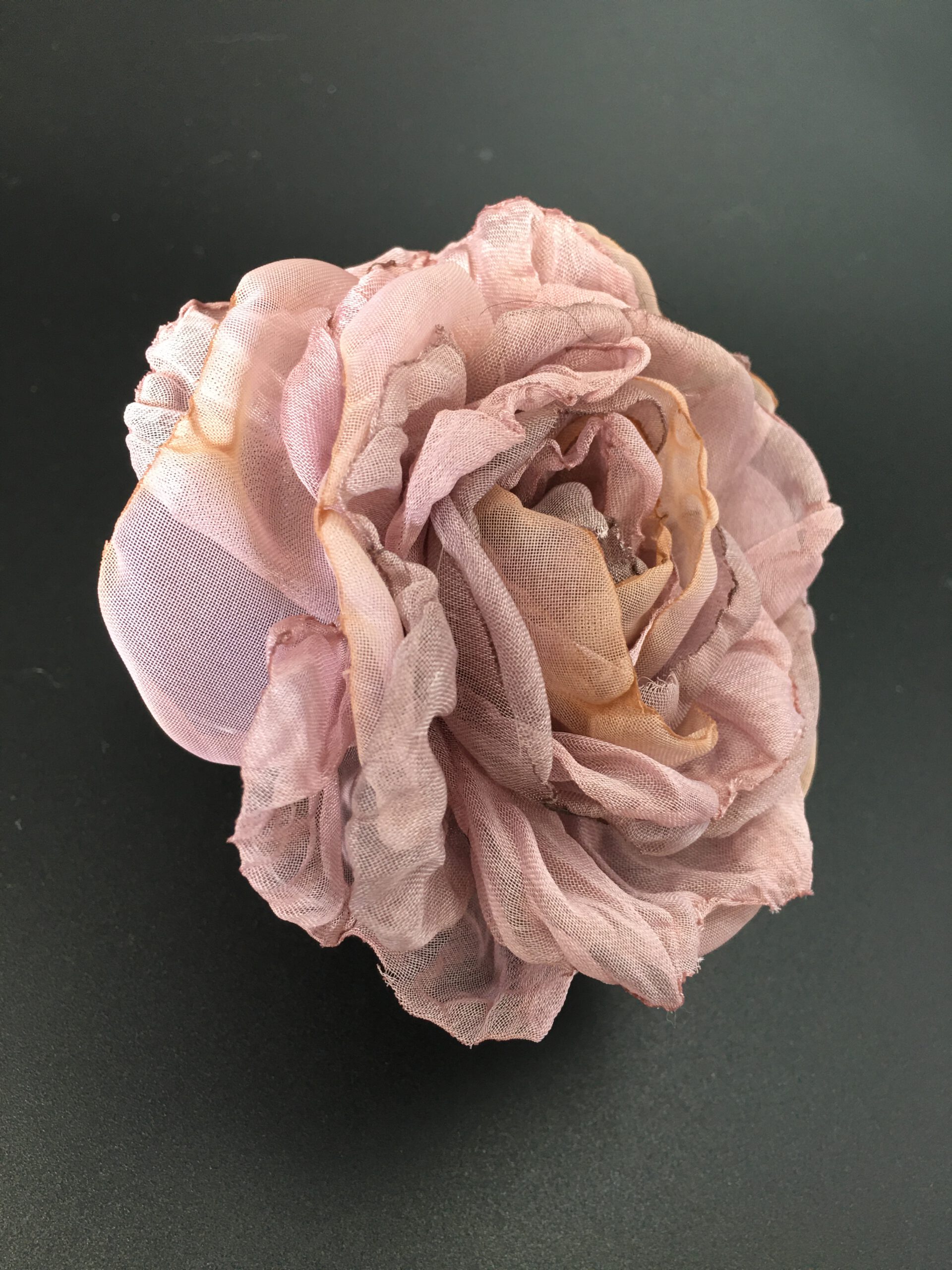
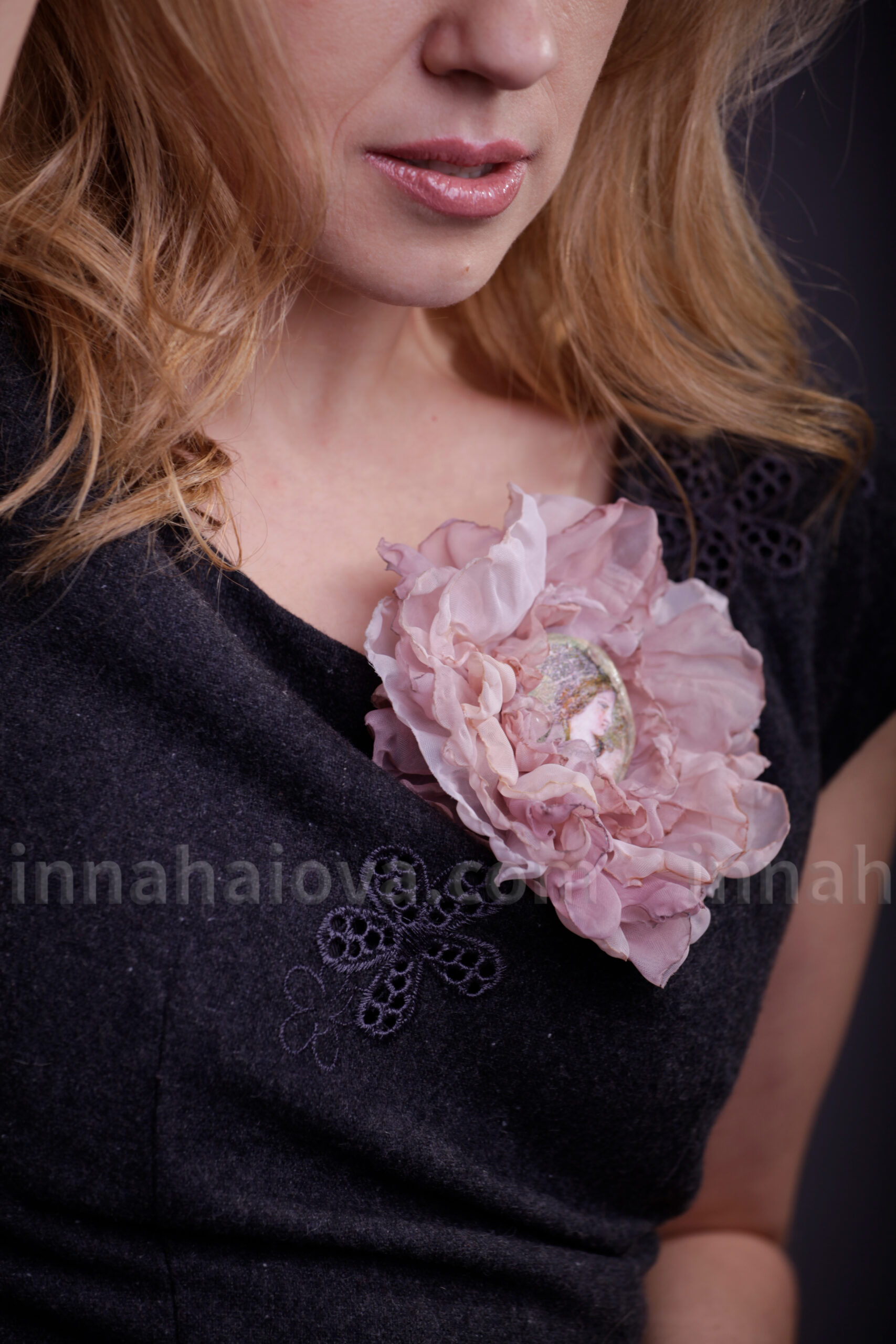
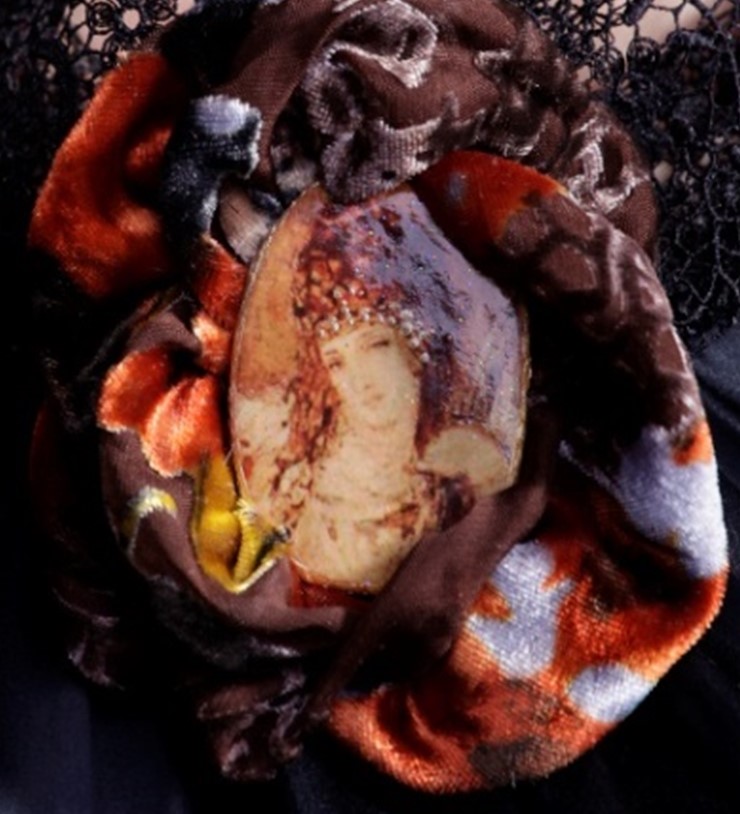
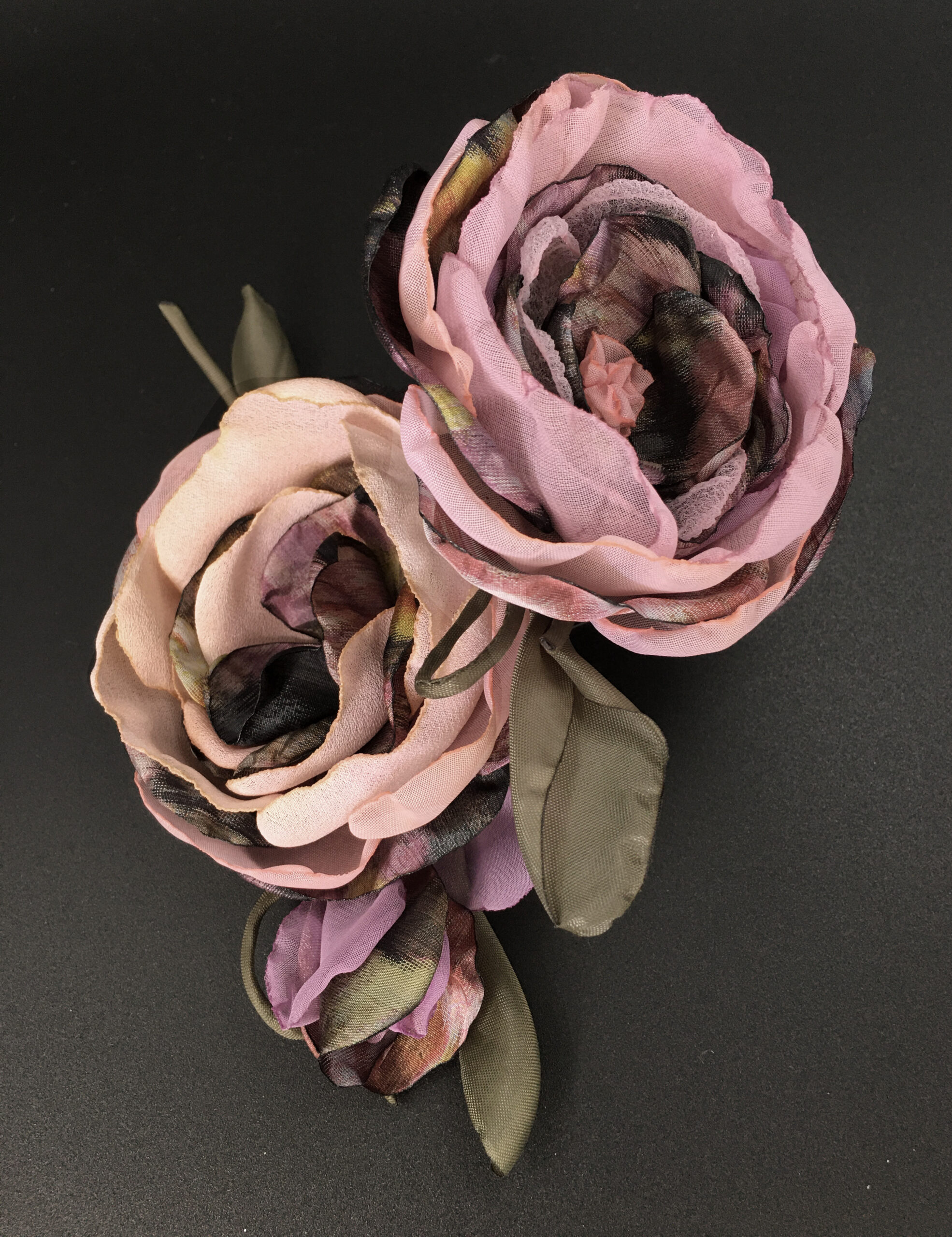
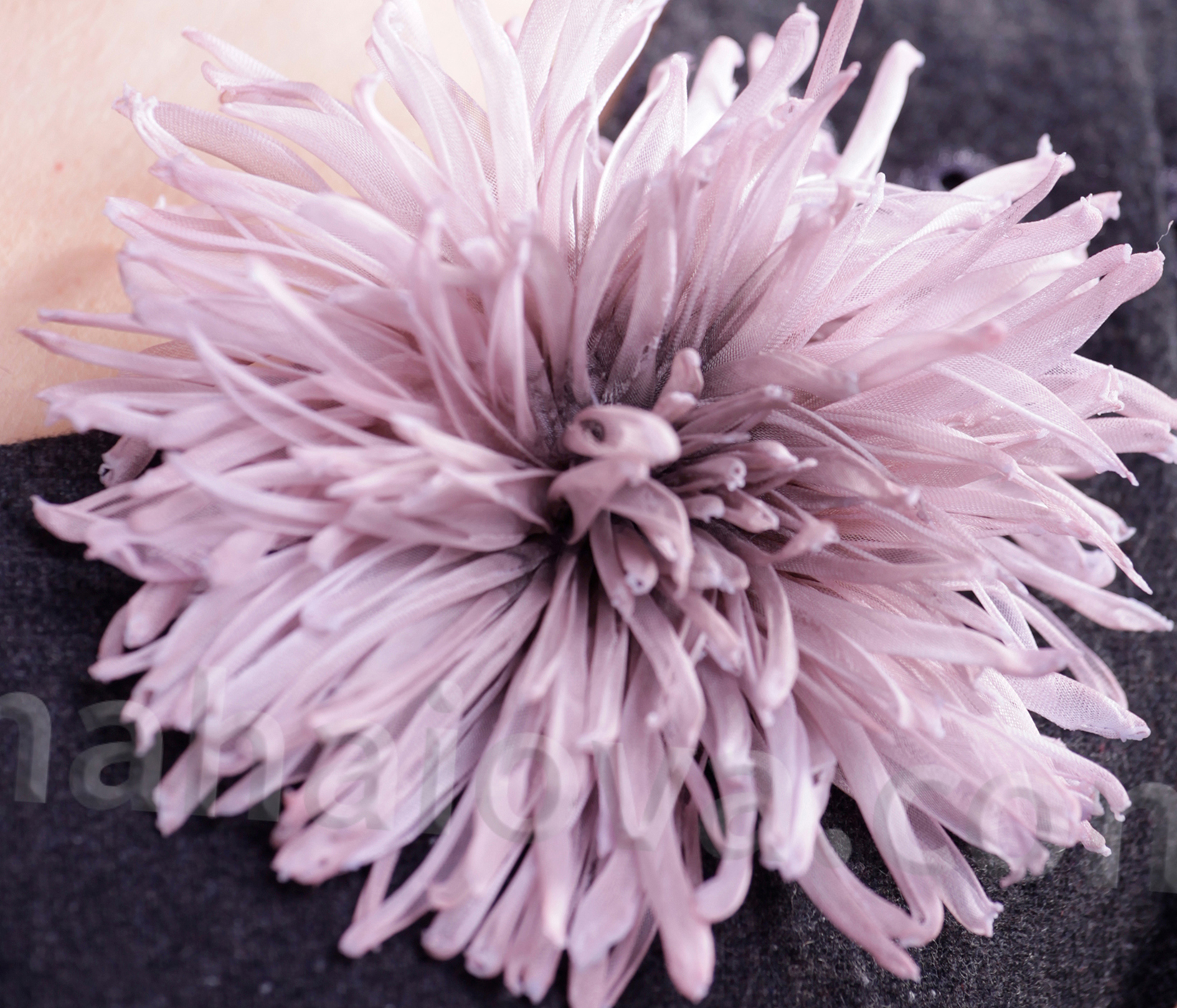
Vintage-Style Collection

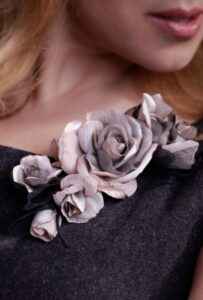
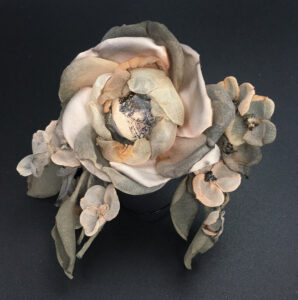
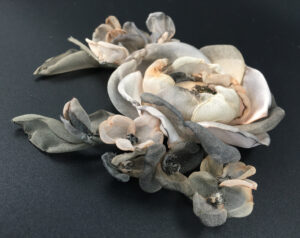
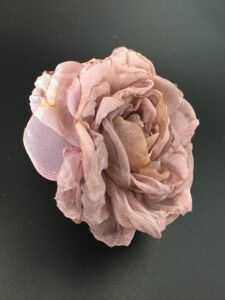
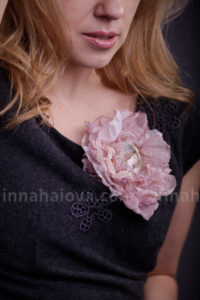
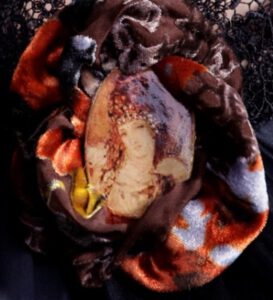
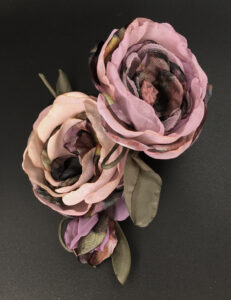
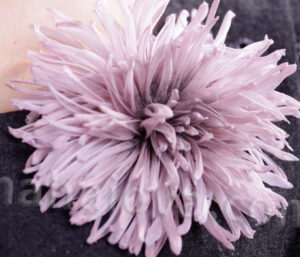
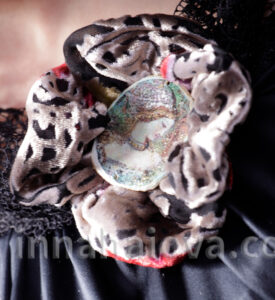
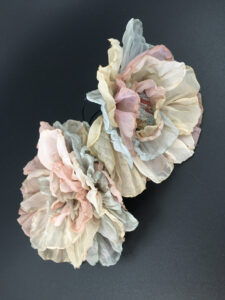
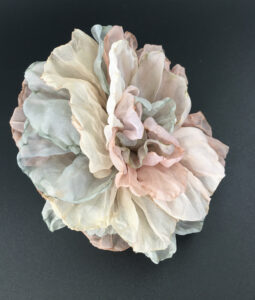
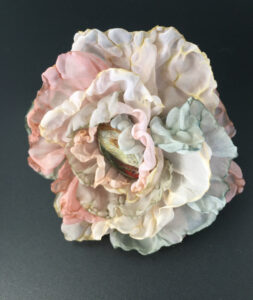
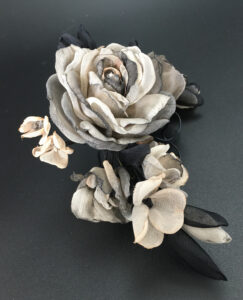
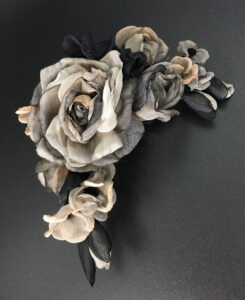
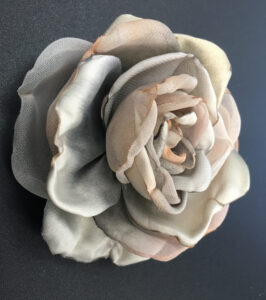
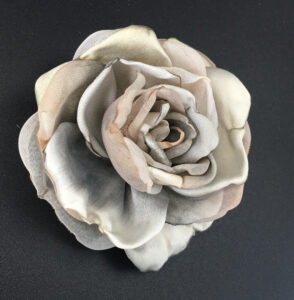
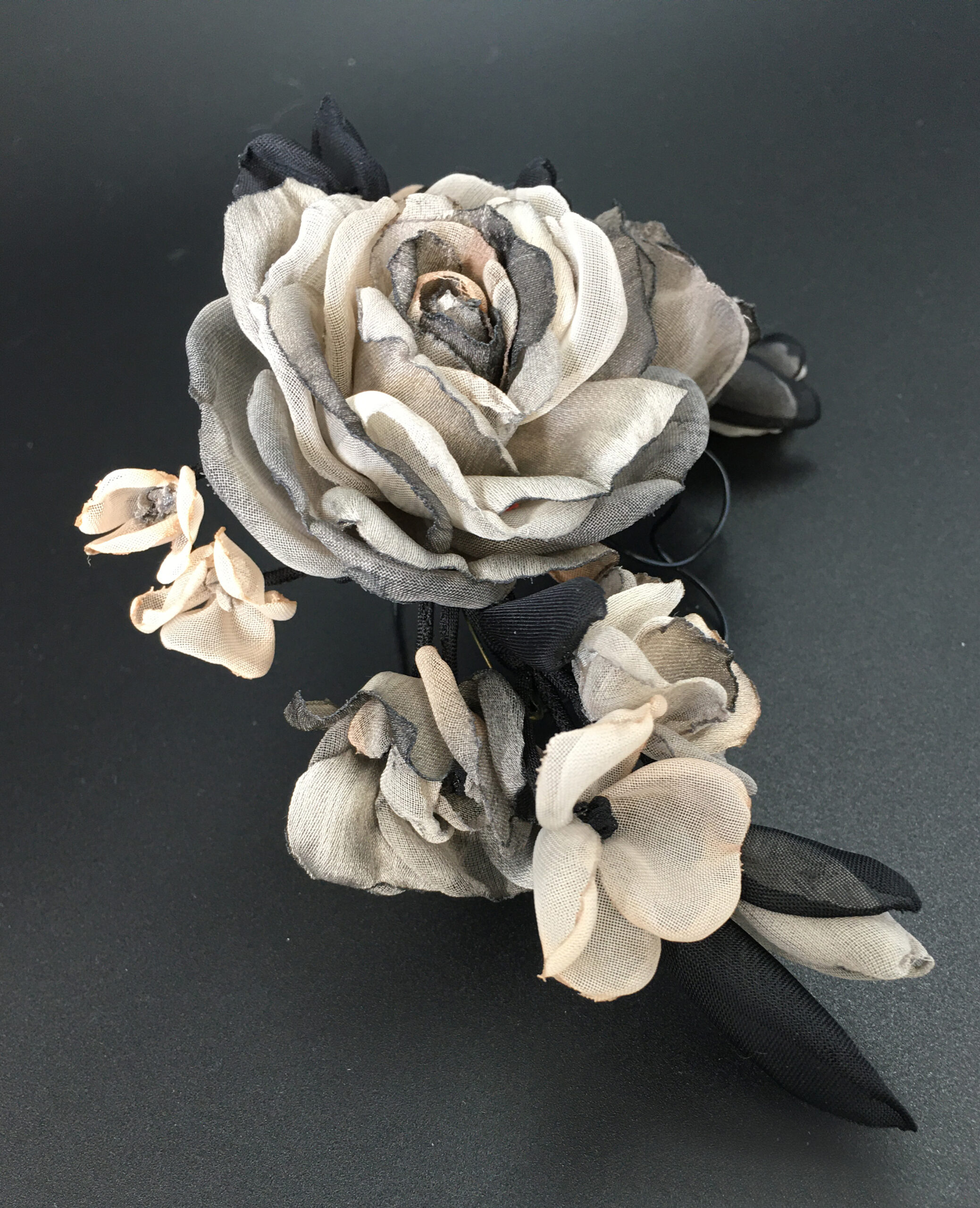
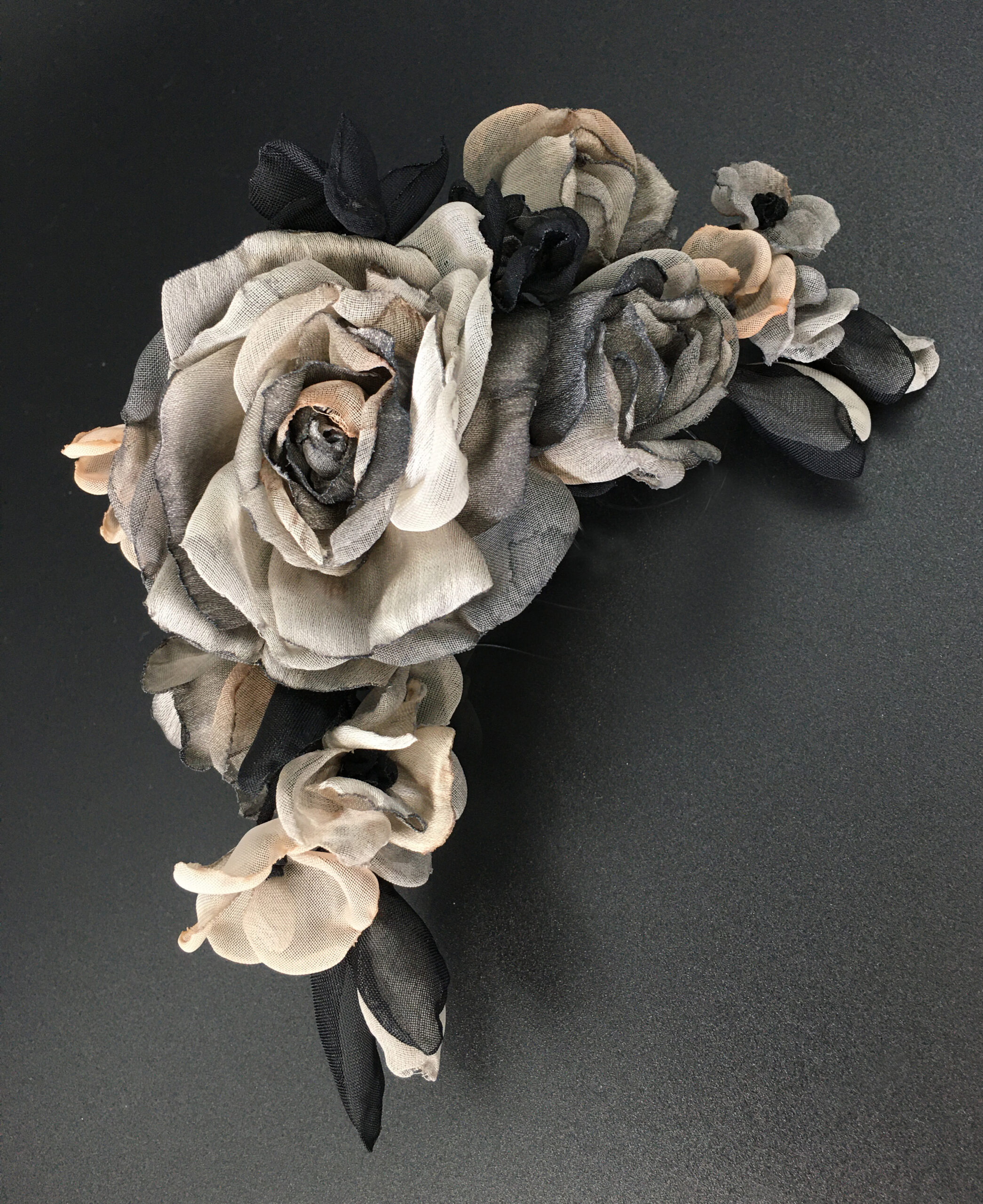
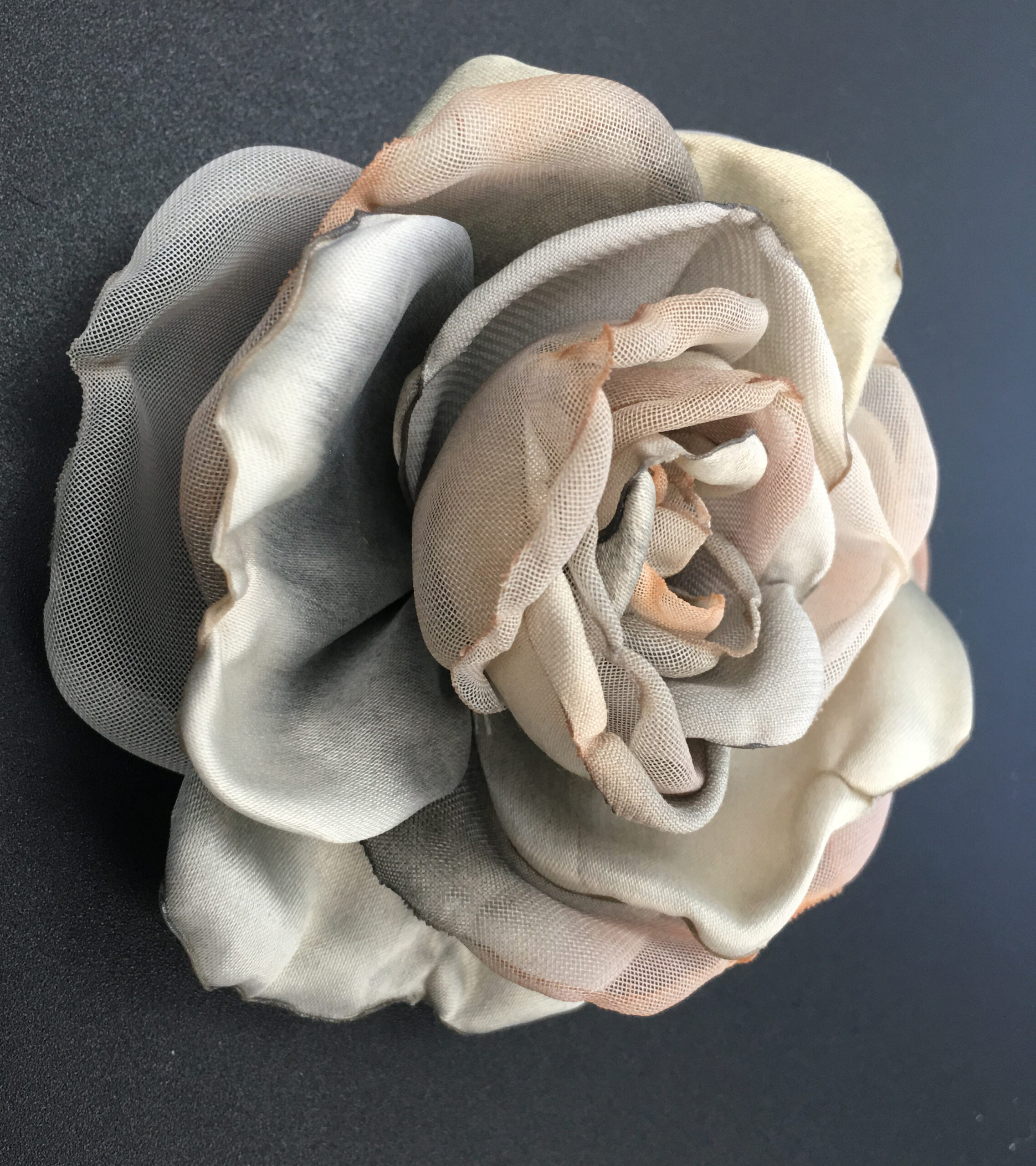
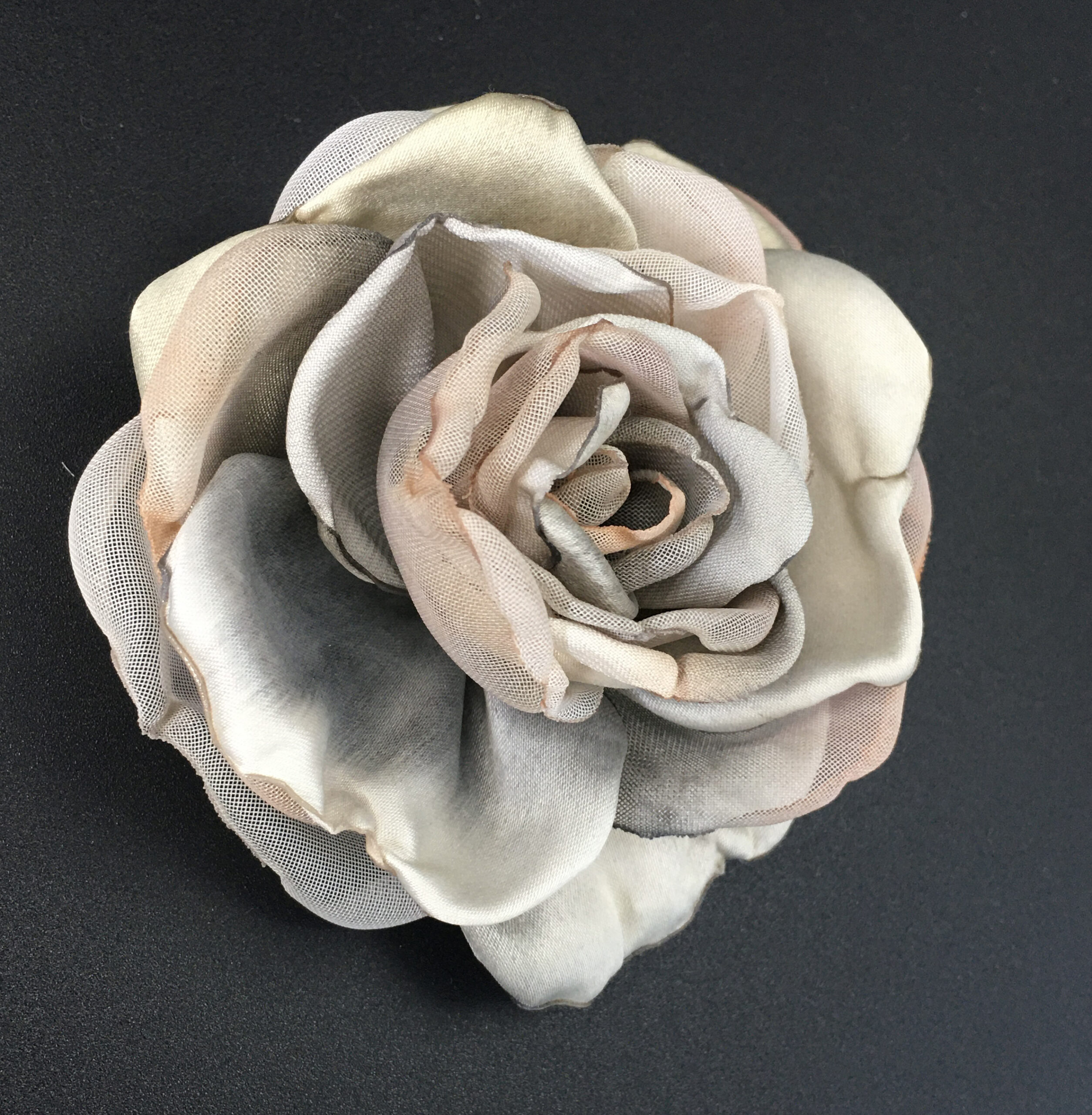
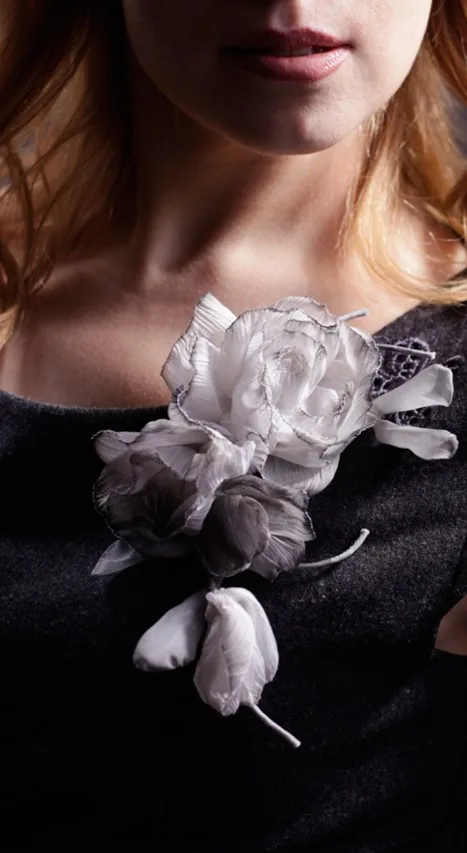
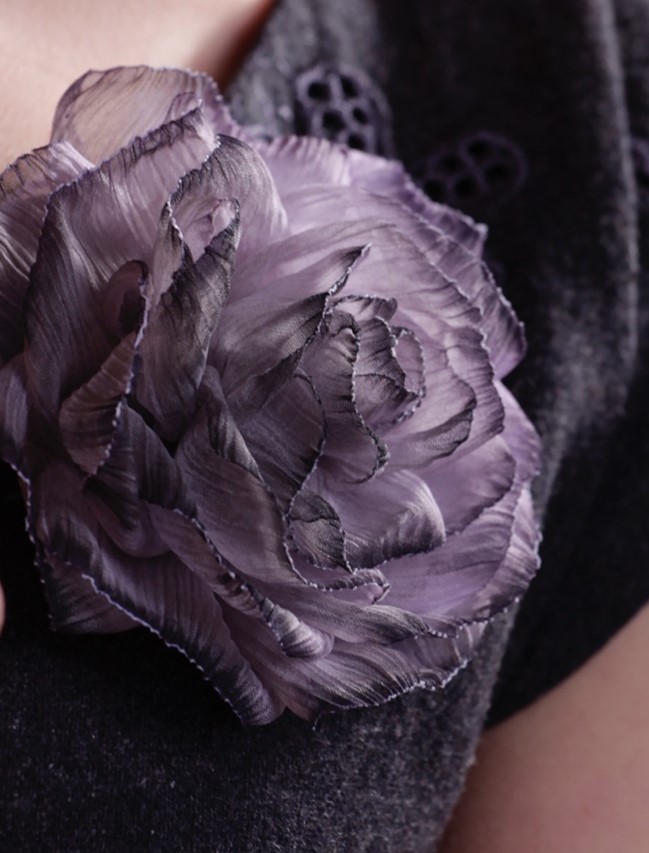
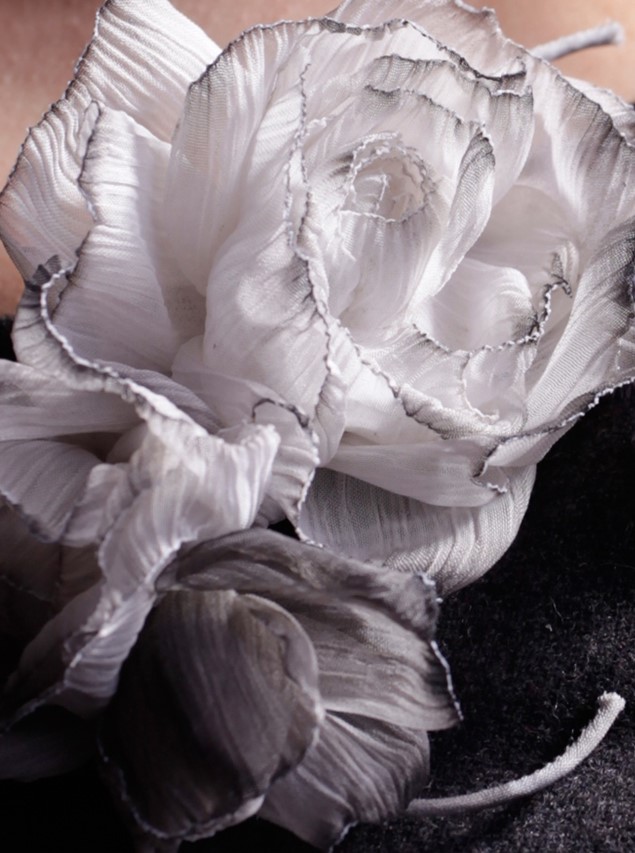
For me, as a fashion designer, vintage is not just a glance into the past — it’s a reminder of the timeless values of art as a vital source for the human soul.
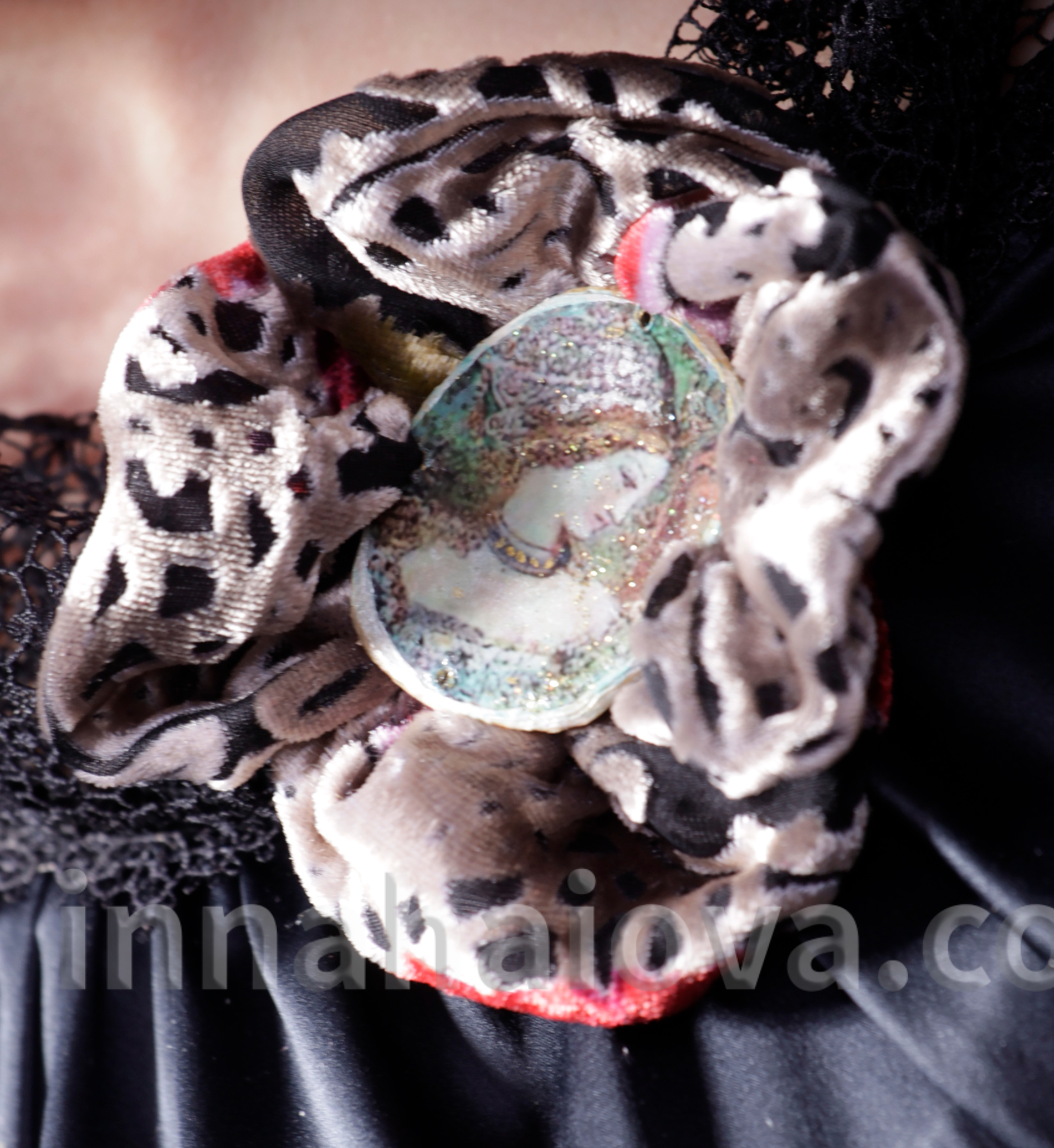
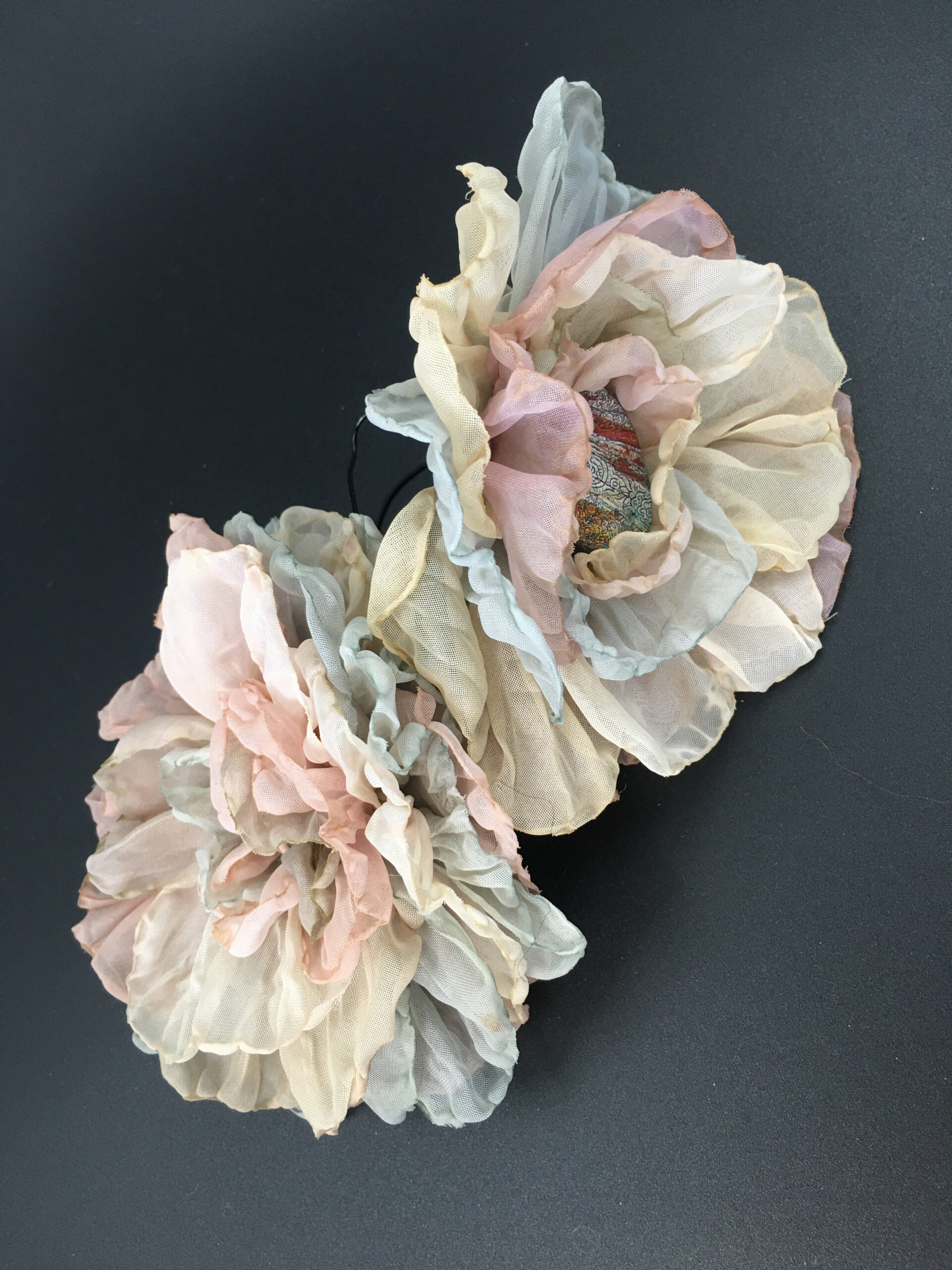
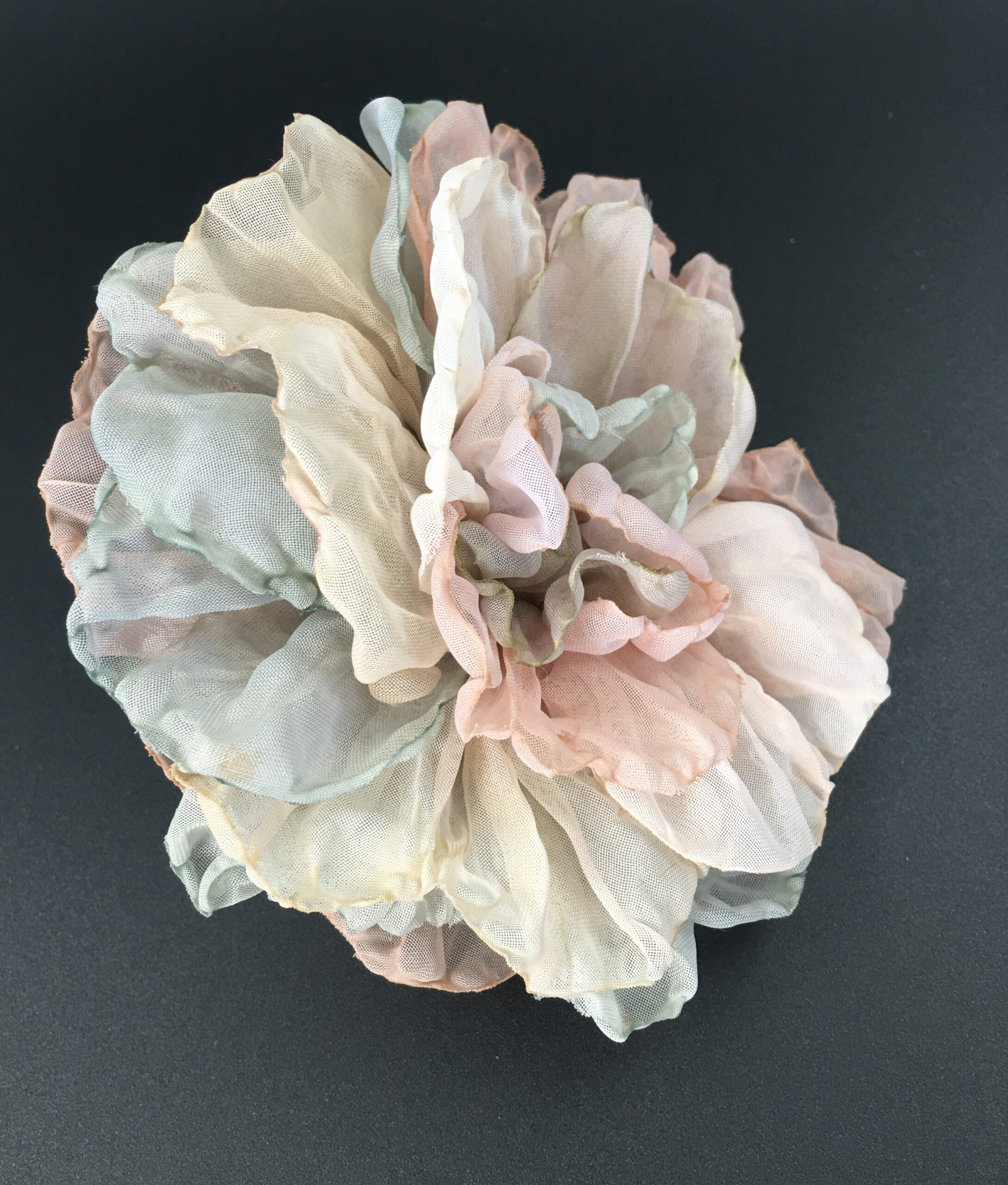
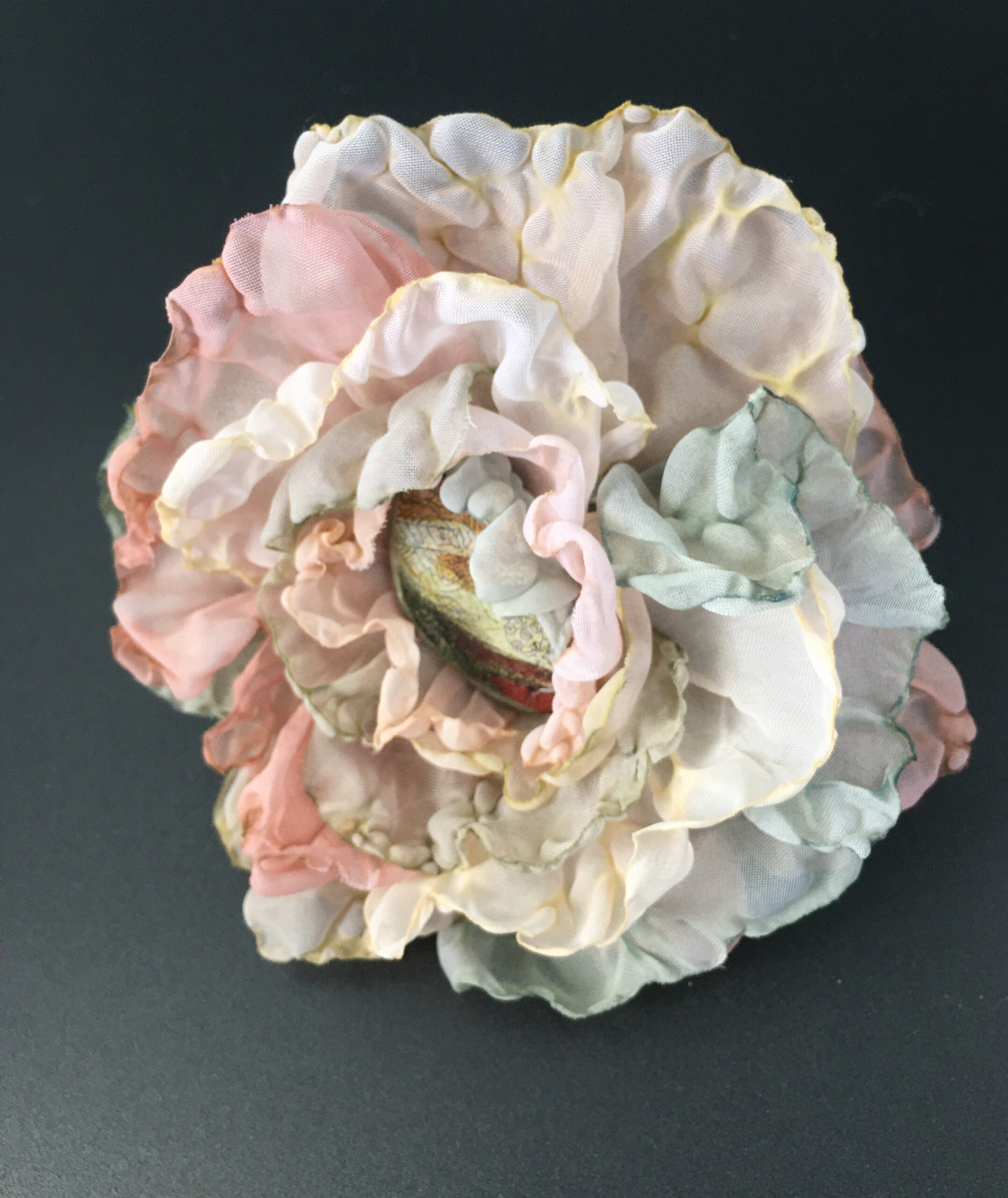
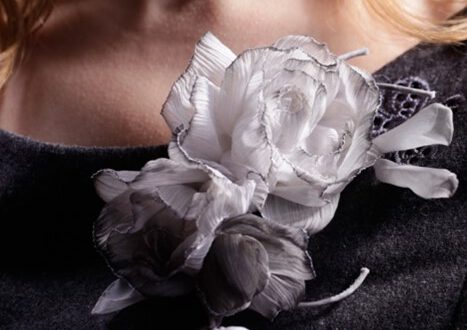
That is why the faded or darkened tones of antique objects do not diminish their value — on the contrary, they give them a special charm and beauty. The patina of time becomes a mark of quality and craftsmanship, bringing us back to the thought of the inherent worth and uniqueness of the person for who these pieces were created.One of the sources of inspiration for this collection was the imagery found in the works of the remarkable Symbolist painter of the last century, Gustave Moreau.
The color palette of the collection is based on a combination of noble, muted tones with subtle flowing (fading) paint effects. Each accessory in the collection is designed to highlight your individuality and refined taste.You May Also Like

PAINTING
-
Vintage Style
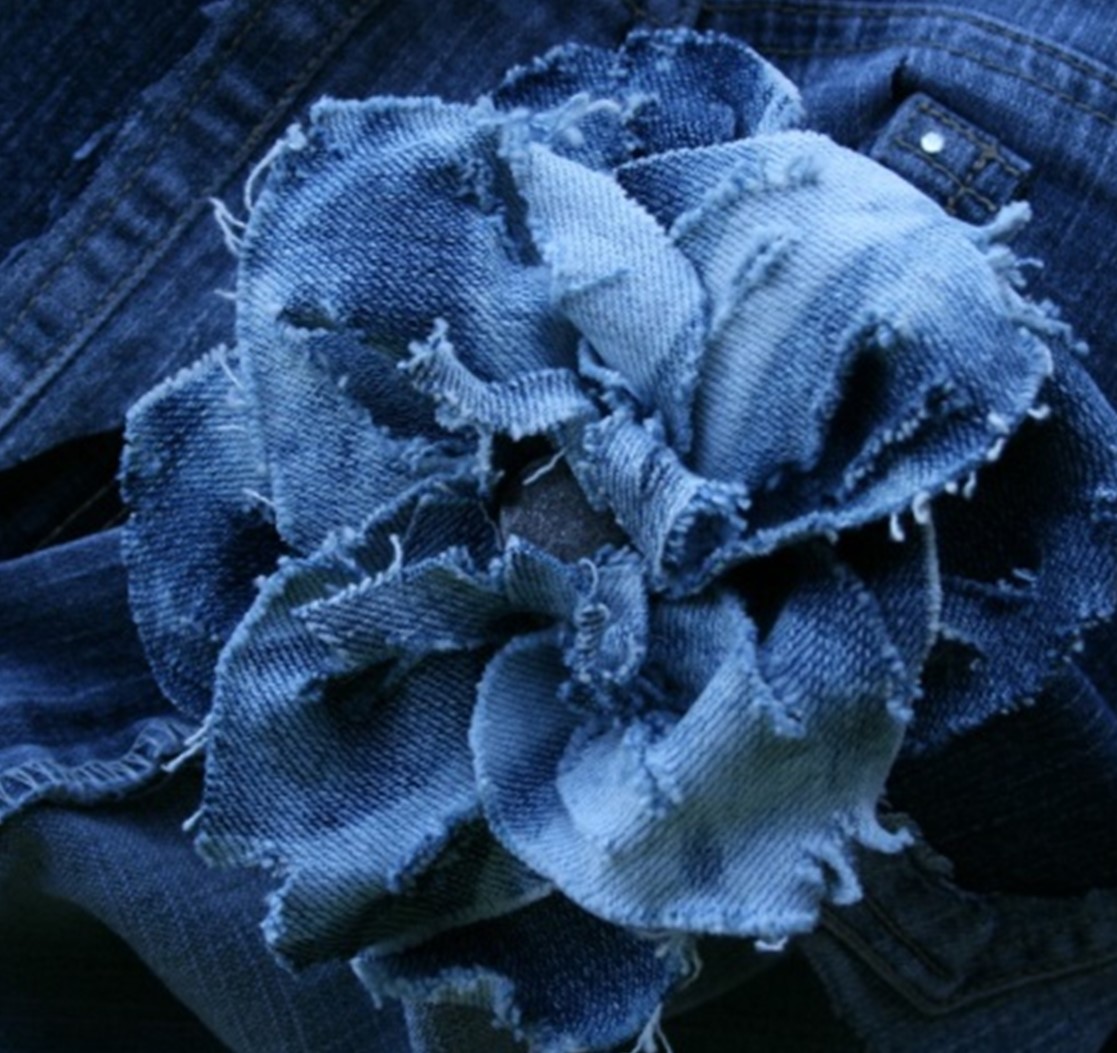
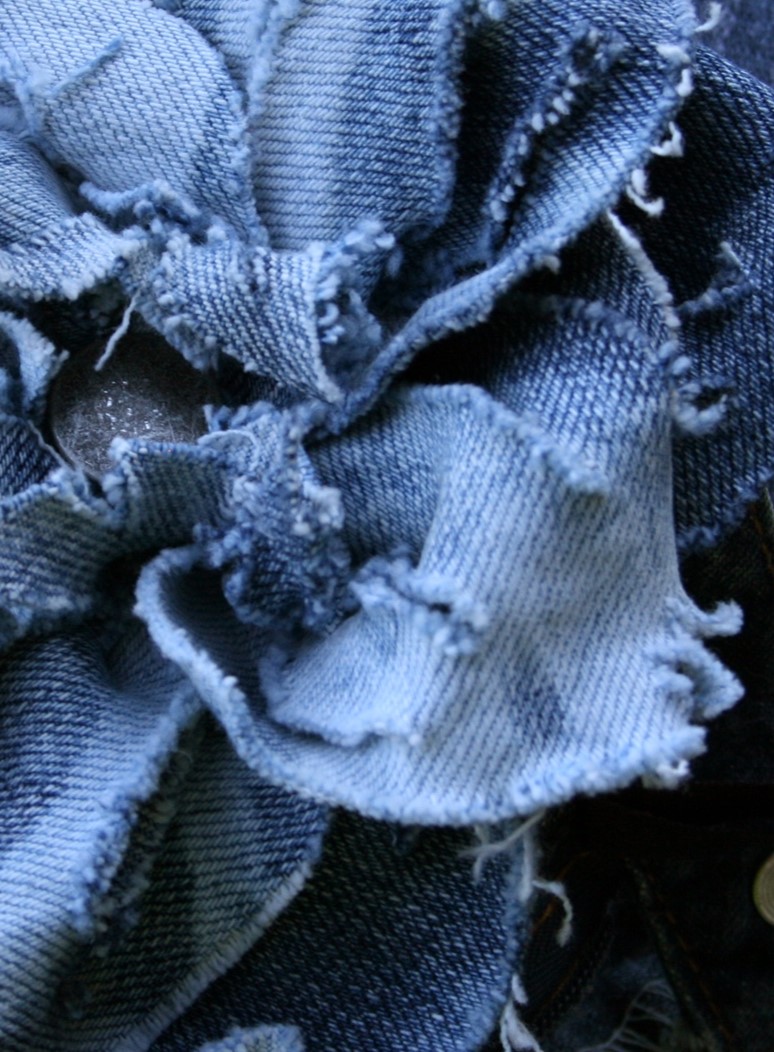
The creation of accessories in a vintage style remains at the forefront of fashion trends. To achieve the vintage aesthetic, specific techniques for surface treatment of materials are used, such as cutting, distressing, crumpling, burning, bleaching, toning, decoupage, craquelure, patination, and others.
When designing a cohesive vintage look, a designer does not always have the opportunity to use authentic elements that align with the creative vision, such as faded fabrics, worn fittings, or a precious antique brooch. However, knowledge of modern materials and skills in surface decoration techniques provide contemporary designers with the creative freedom to develop innovative collections with vintage elements.
There are several methods to alter the appearance of materials to match the style and age of original vintage pieces. The technique of artificial aging is applied depending on the design task, as well as the properties and composition of the material being treated. For example, the effect of “worn fabric” can be achieved through mechanical action, thermal treatment, dyeing, or bleaching:.
Mechanical Distressing: Tools of varying hardness, such as sandpaper, stones, or felt (for delicate fabrics), are used to create an aged look by partially breaking down the material’s surface structure. Distressed areas on folds and seams add some expressiveness to the piece. Additionally, cuts with frayed edges or decorative mending can enhance the effect.
Craquelure: This technique creates cracks in the paint layer, mimicking aged surfaces. On fabrics, such effects are achieved using wax (e.g., in hot batik). For rigid surfaces, such as bags, shoes, or belts, one-step (single-phase) or two-step (dual-phase) craquelure is used. One-step craquelure imitates cracked paint, exposing the base layer beneath, while two-step craquelure produces a more refined pattern, ideal for creating delicate antique ceramic, glass, or enamel effects.
Patination: This decorative aging method gives surfaces a timeworn patina, with darker areas in the cracks and recesses of relief patterns. Acrylic patina is widely used for its accessibility and versatility, often applied to costume elements like buttons, brooches, or bag details. It can also simulate metal textures which in fact can be made of plastic or wood.
Thermal Treatment: Materials are heated in an oven to achieve a yellowed appearance. For uneven color changes, dyes can be applied before heating.
Dyeing and Bleaching: Fabrics can be dyed with natural pigments (e.g., tea, onion skins, or plant juices) or chemical dyes. There are a few different techniques of dyeing fabric such as full or partial immersion in dyes, dyeing pre-folded or twisted fabric, and applying color with a dry brush create an unevenly faded effect. Bleaching of textile materials is typically done with chemical agents (chlorine-based bleach), suitable for natural plant-derived fabrics.

Decorative and Aging Techniques
Decoupage: This involves cutting out and gluing thin paper images to create the effect of painted patterns of rare antique items. Decoupage can be applied to various surfaces, including wood, plastic, glass, fabric, or leather. For textiles, a special decoupage glue-lacquer is used, retaining flexibility after drying. Variations include direct decoupage, reverse decoupage (for transparent surfaces), decoupage with toning or painting, deco-patch (using torn or cut image pieces), and 3D decoupage with modeling paste.
Craquelure: This technique creates cracks in the paint layer, mimicking aged surfaces. On fabrics, such effects are achieved using wax (e.g., in hot batik). For rigid surfaces, such as bags, shoes, or belts, one-step (single-phase) or two-step (dual-phase) craquelure is used. One-step craquelure imitates cracked paint, exposing the base layer beneath, while two-step craquelure produces a more refined pattern, ideal for creating delicate antique ceramic, glass, or enamel effects.
Patination: This decorative aging method gives surfaces a timeworn patina, with darker areas in the cracks and recesses of relief patterns. Acrylic patina is widely used for its accessibility and versatility, often applied to costume elements like buttons, brooches, or bag details. It can also simulate metal textures which in fact can be made of plastic or wood.

а 
б 
в 
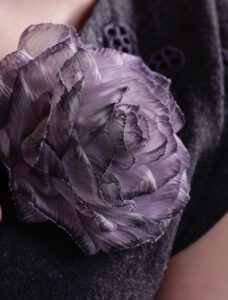
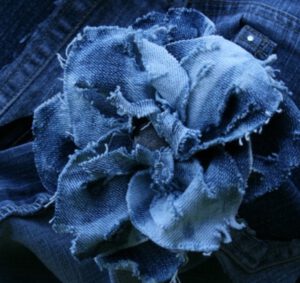
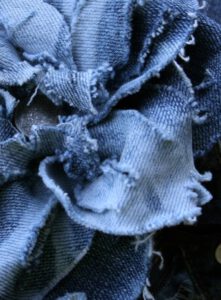
г Examples of decorative and artificial aging of textile surfaces, accessories, decorative elements: a) bleaching and cutting of the fabric; b) decoupage; c) one-step craquelure; d) imitation of metal; patination
In the training of future fashion designers, these surface treatment techniques are integral not only for creating decorative elements and accessories but also for shaping contemporary costume design.
Read article:
You May Also Like
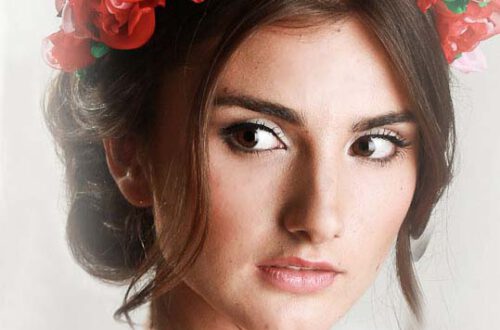
Floral Wreath
-
Floral Wreath

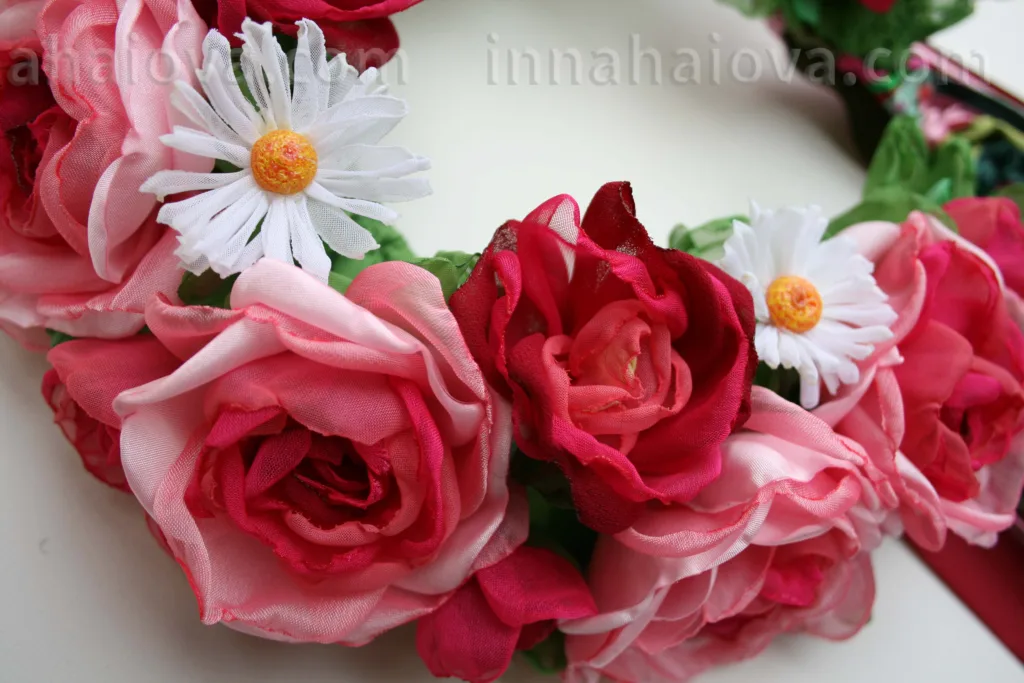
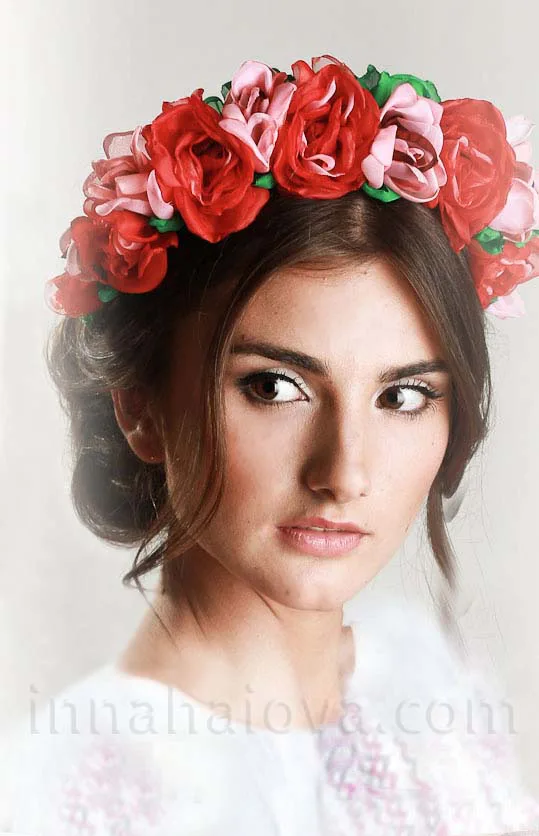
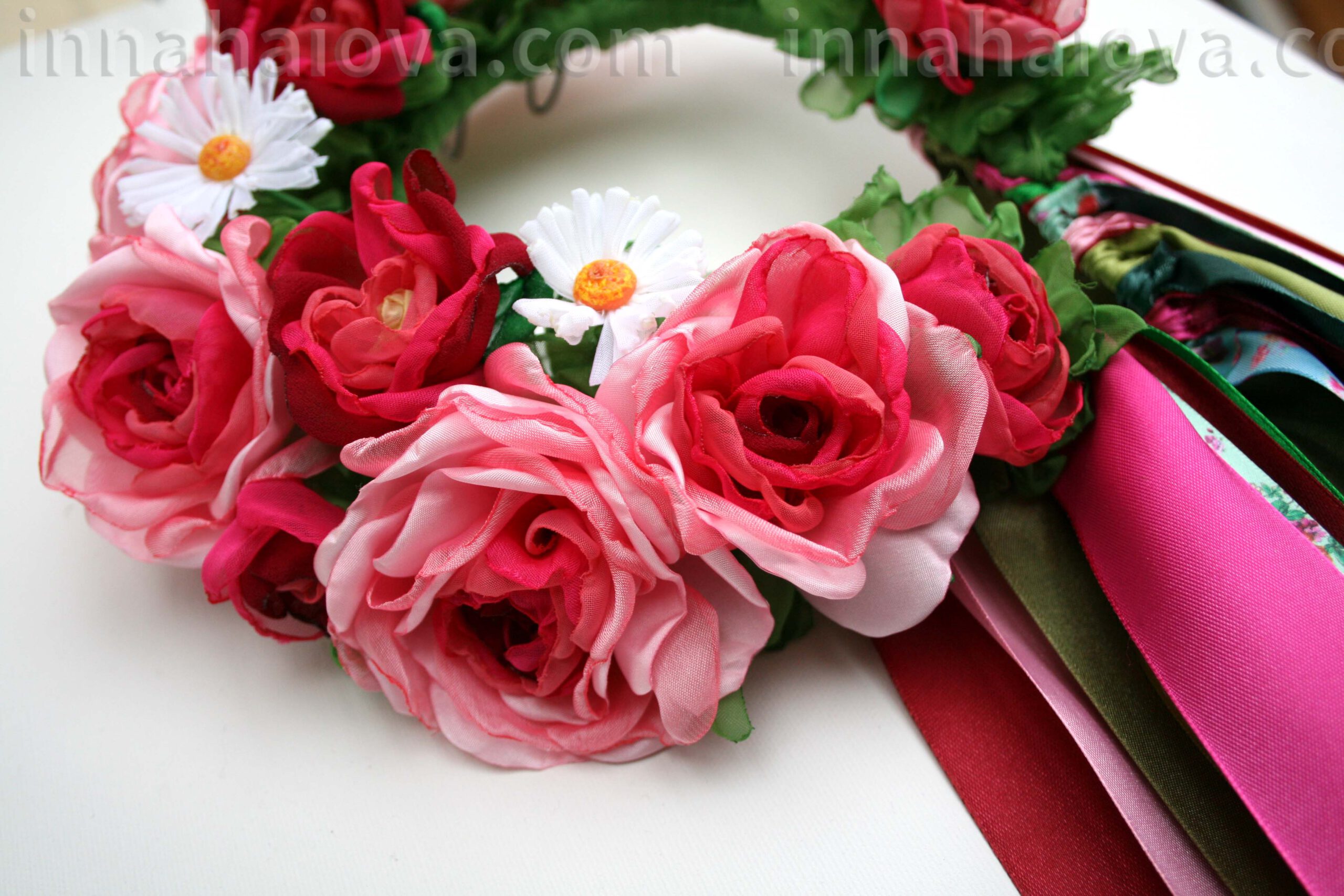
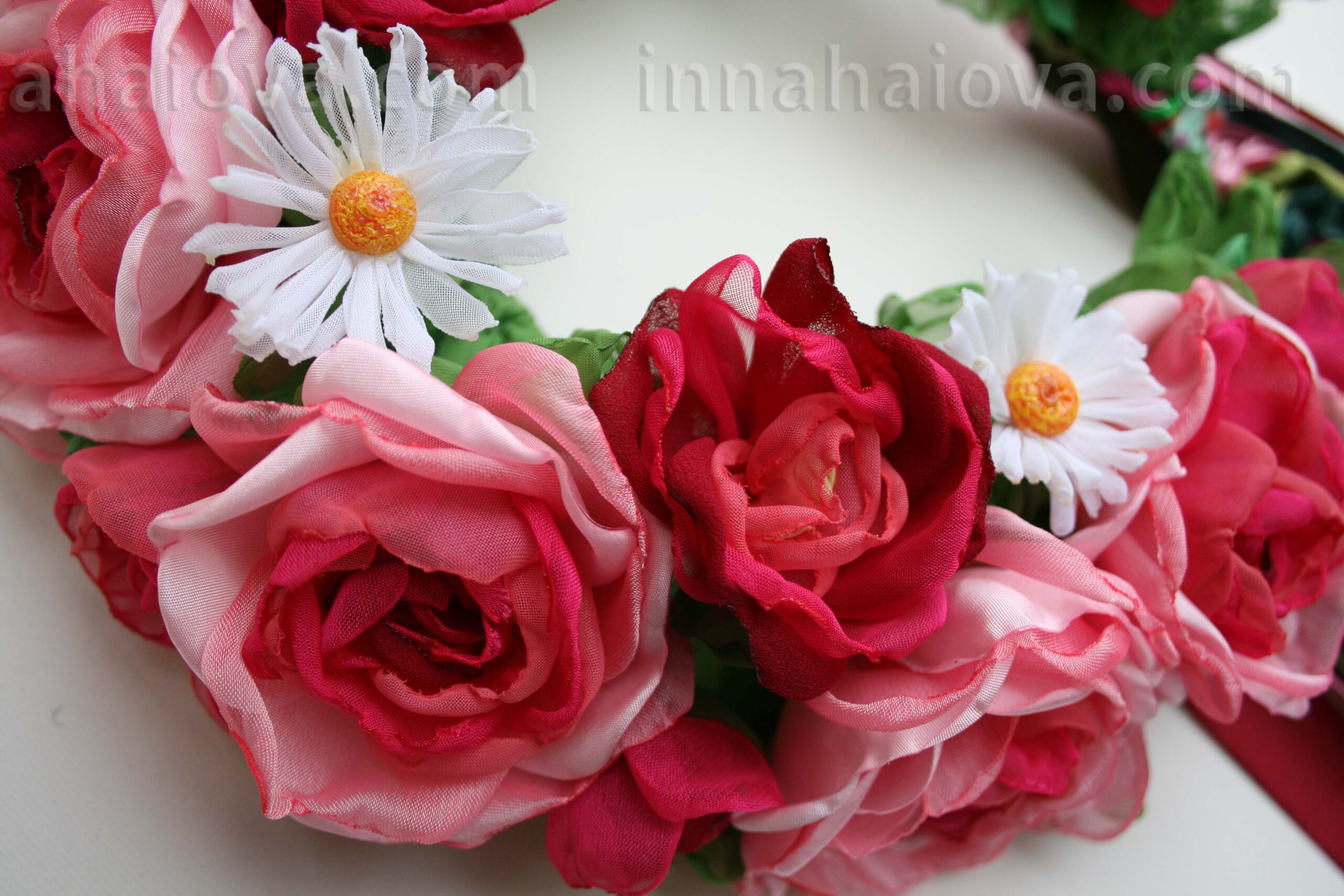
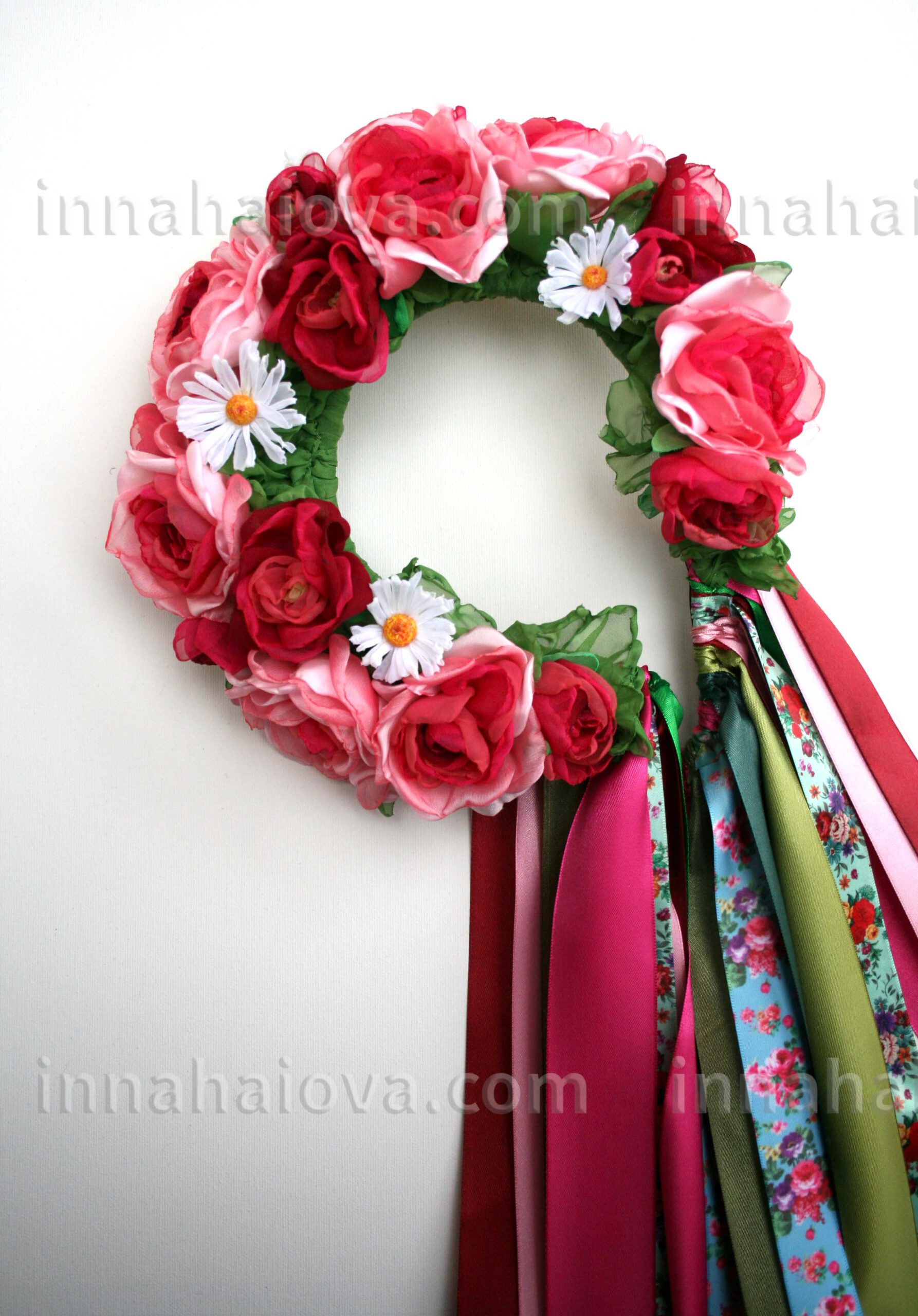
“Roses”, wedding flower crown with ribbons, textiles 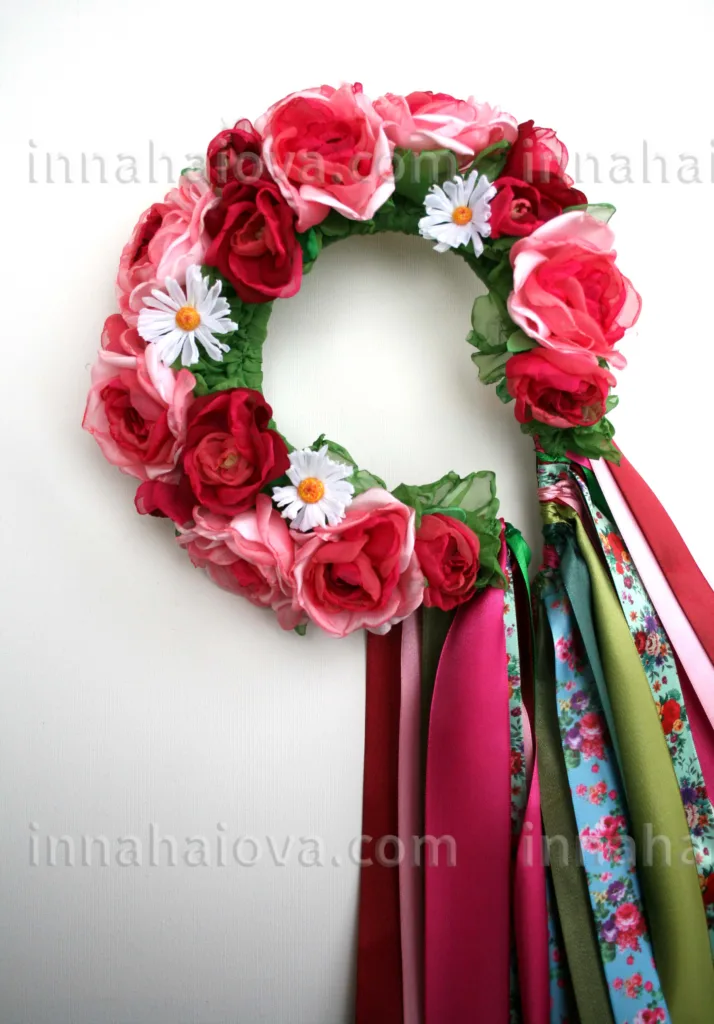
The flower crown was created based on the Ukrainian folk costume and can be used as a supplement to a modern ethnic style attire
A head wreath (a chaplet) is one of the most ancient elements, carrying beauty and filled with deep primordial symbols. Its round shape is a sign of integrity, continuity and harmony, which is probably why the Ukrainian wreath is the embodiment of purity and the idea of procreation. Additional semantics are given to the flower crown by the special properties of the plants from which it is woven, and the effect of weaving as such. Each flower, ribbon, spikelet, according to the tradition, personifies the spiritual qualities of the owner or is a wish for good and prosperity.
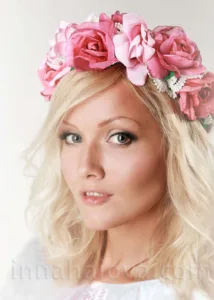
“Roses”, wedding flower crown. Textiles Of course, in different regions of Ukraine, the traditions of weaving wreaths had their own inherent traits, but the facts that have survived to this day allow us to highlight the most characteristic features of wreaths that were found in many regions.


“Poppies”, flower crown. Textiles, beads Historically, the Ukrainian flower crown, in addition to flowers, was always decorated with ribbons that ended just below the girl’s braids to hide them from the evil eye. A light brown ribbon in a wreath was a symbol of the earth, yellow one – the sun, green – beauty and youth, blue – a symbol of sky and water, giving strength, orange – a symbol of bread, purple – wisdom, magenta- sincerity, pink – well-being and abundance. White ribbons were tied to a wreath only when they were embroidered: one with the sun, the other with the moon.
In Ukrainian culture, a wreath is a girl’s headdress worn by young girls and young unmarried women. It was a favorite decoration and could tell a lot about the female soul, reflecting the events of her life, hopes and intentions.
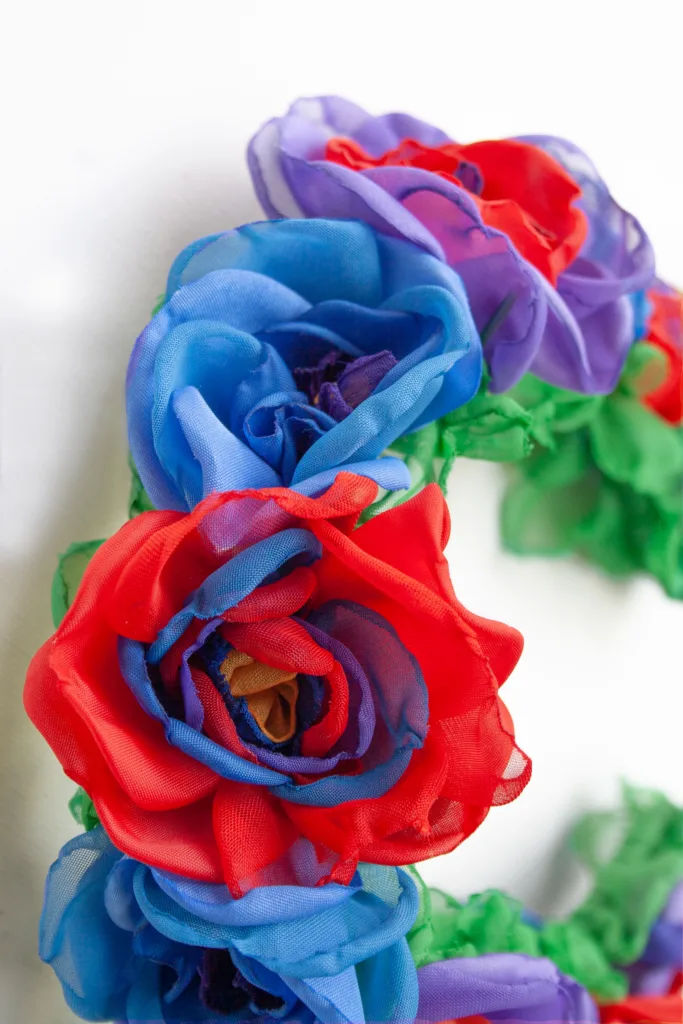
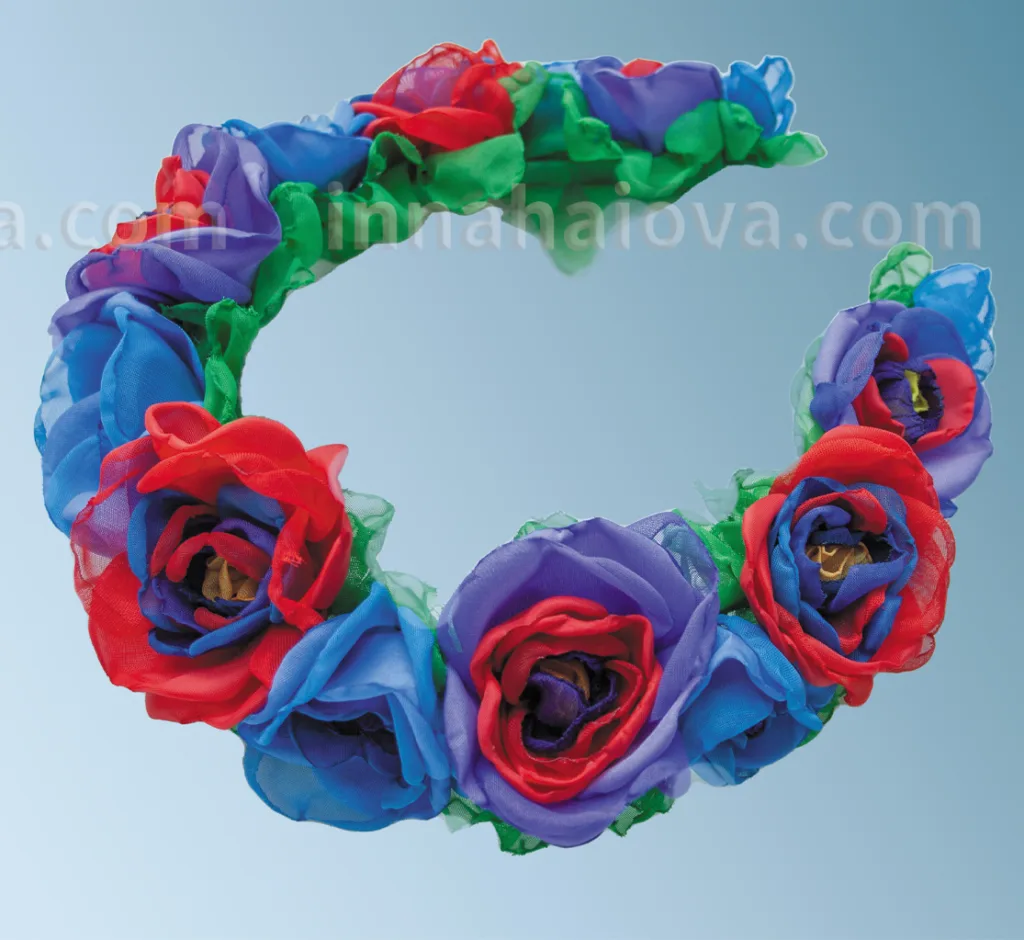
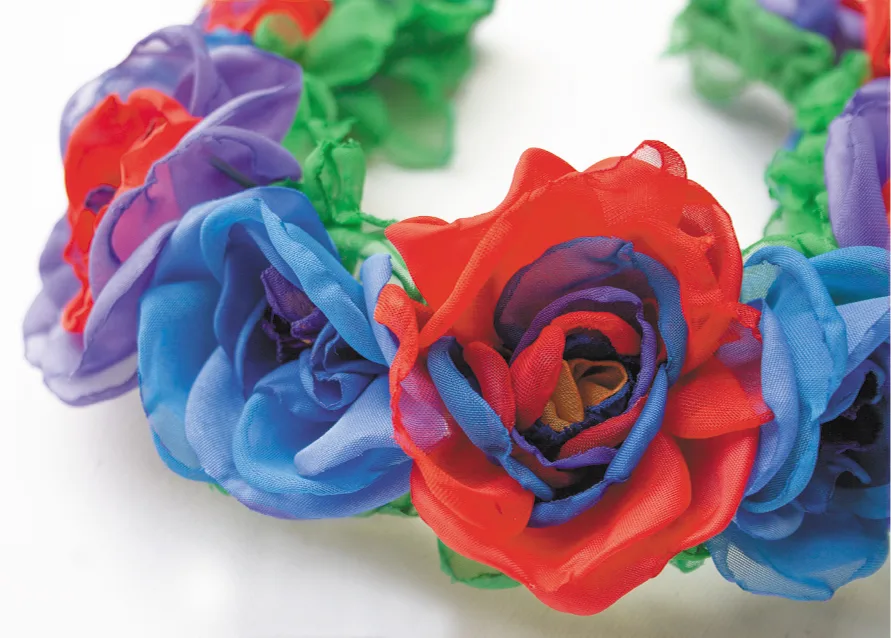
“Mallow flowers”, flower crown. Textiles When the girl was three years old, her mother wove her the first wreath of herbs and delicate wildflowers. Each plant in the head wreath had healthful properties and was a talisman. At the age of six, bright cornflowers were added – a symbol of youth and health, and poppies – to strengthen the mind and for restful sleep.
With the age of the girl, the gamma became richer and more colorful. Starting from the age of 13, each of her wreaths already carried a certain message to the world, expressing the state and aspirations of the girl.


“Poppies”, flower crown. Textiles Wreath of Love
It symbolized maidenly beauty. The chamomile flower, which was part of this wreath, combined the symbolism of purity with the symbolism of a strong family. Among the chamomiles apple or cherry tree flowers were woven, and above the forehead – a bunch of red viburnum.
Wreath of Hope
When the girl was unlucky in love, she wove a flower crown of poppies and cornflowers. Sometimes such a wreath was given to a timid boy as a confession.
Wreath of Devotion
It was weaved from cornflowers and lovage. The cossack took it with him for his jorney, knowing for sure that he was loved and awaited at home.
There was also a wreath of break-up, made from flowers of primrose – a symbol of ephemerality, and heather – a symbol of hopelessness and loneliness, which the girl gave to her beloved one while breaking up with him.
Ukrainian wedding wreath
A wedding wreath was the brightest and the most significant. It is usually woven from roses – a symbol of beauty and love, with addition of other flowers and plants.
The wedding wreath, except for its protective and symbolic function, was a real work of art. It took from a few days to a month to make it, depending on the size and complexity of the implementation.
Today we are witnessing a resurgence of interest in this wonderful tradition. Many famous designers draw inspiration from the original national costume and colorful Ukrainian wreath. This bright and stylish accessory can often be seen both at traditional lush holidays and at ultra-modern youth gatherings.
This is very valuable for us, because today, in the rapid vortex of events and changes, it gives us the energy of goodness and beauty, reminding us of femininity, the unity of natural origins and the mystery of life.
You May Also Like
Vintage Style