Vintage Style

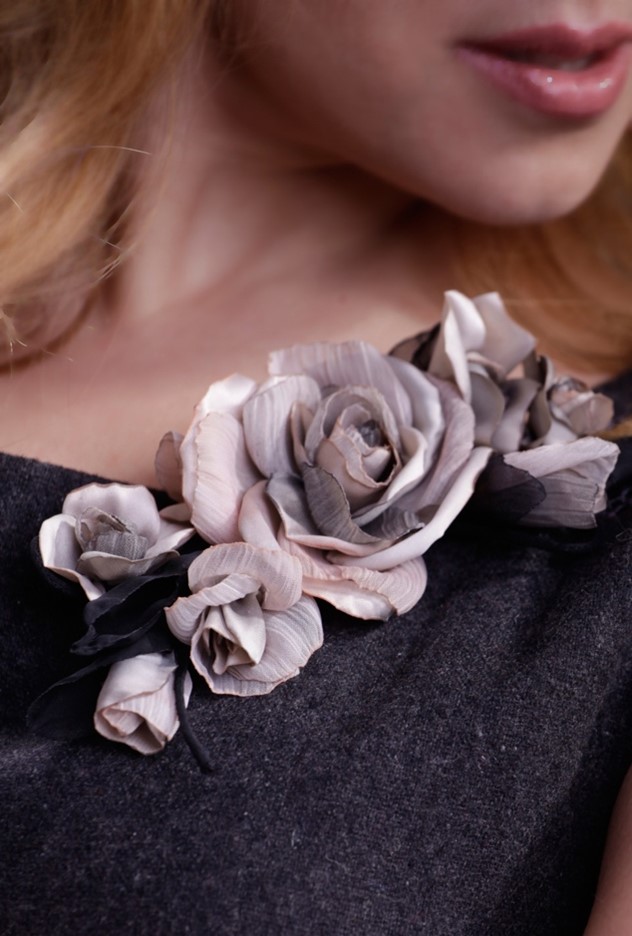
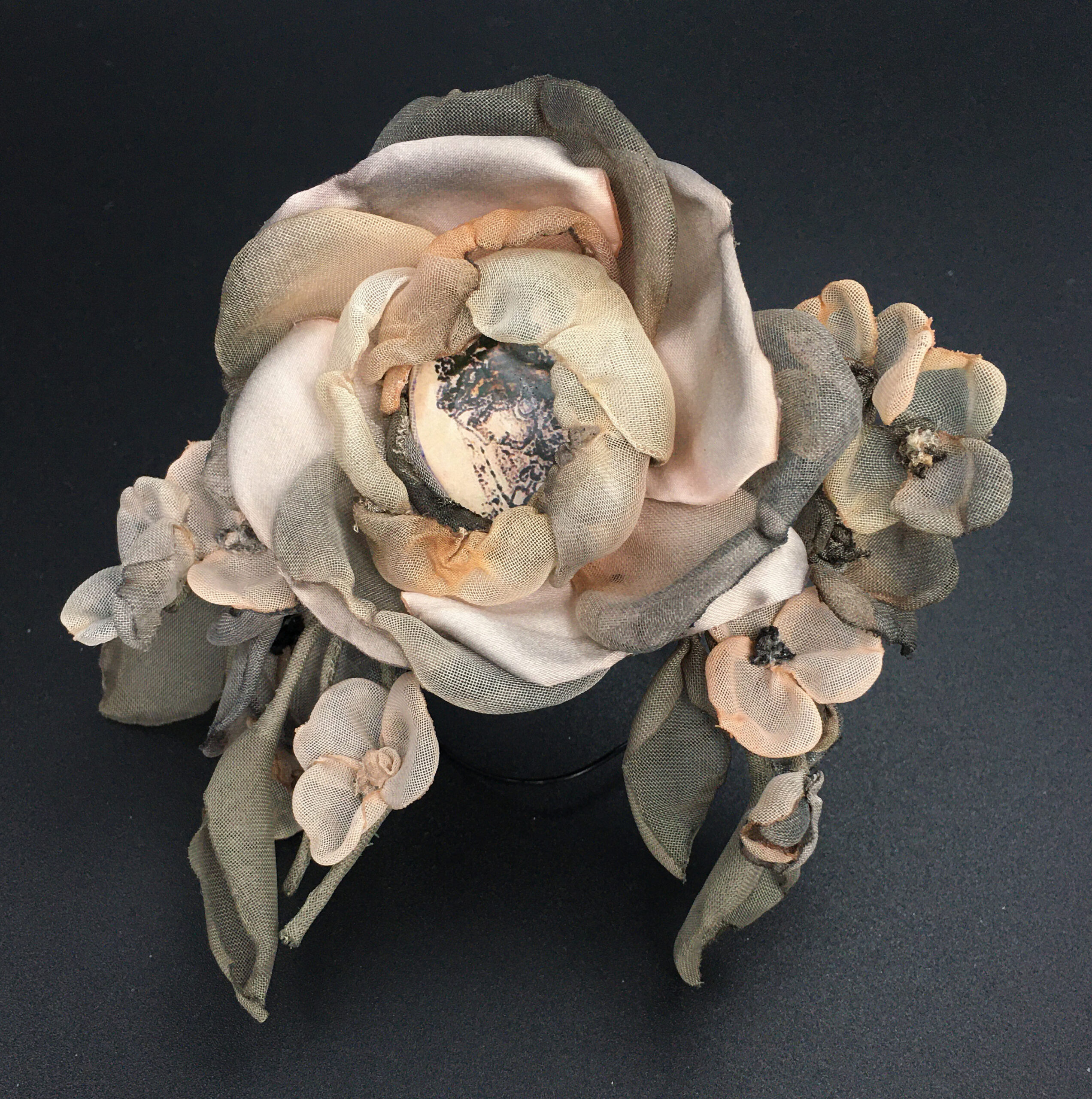
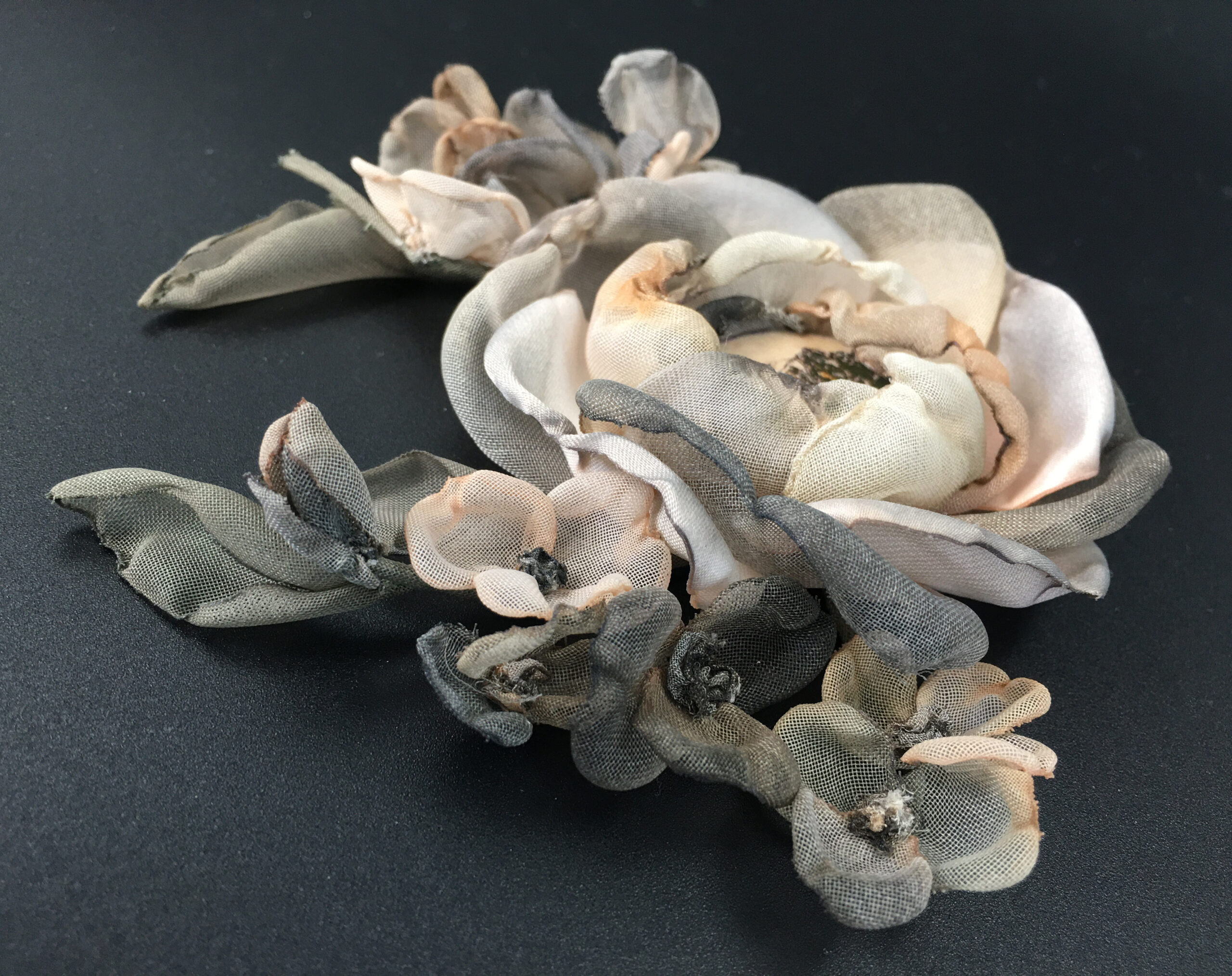
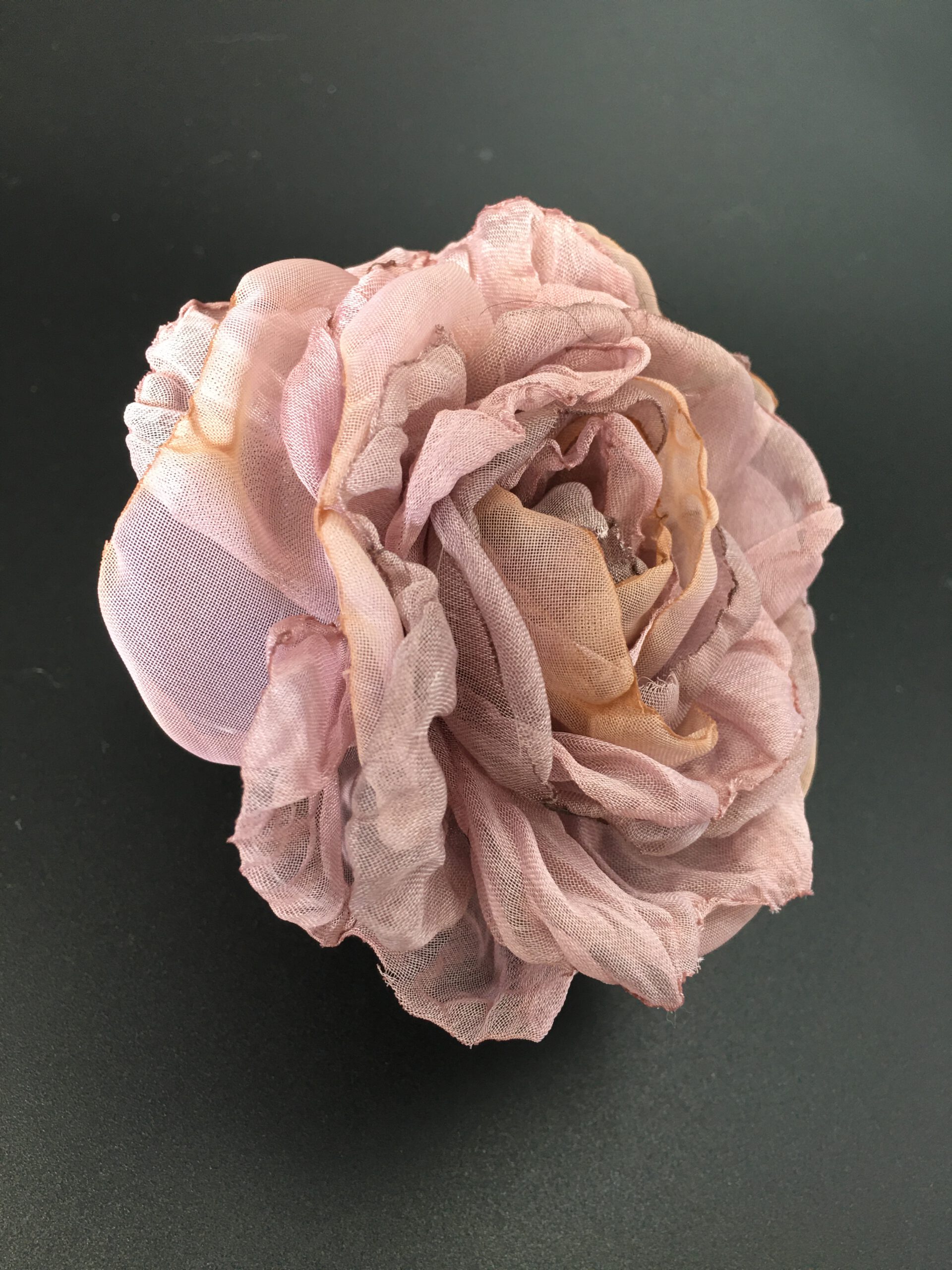
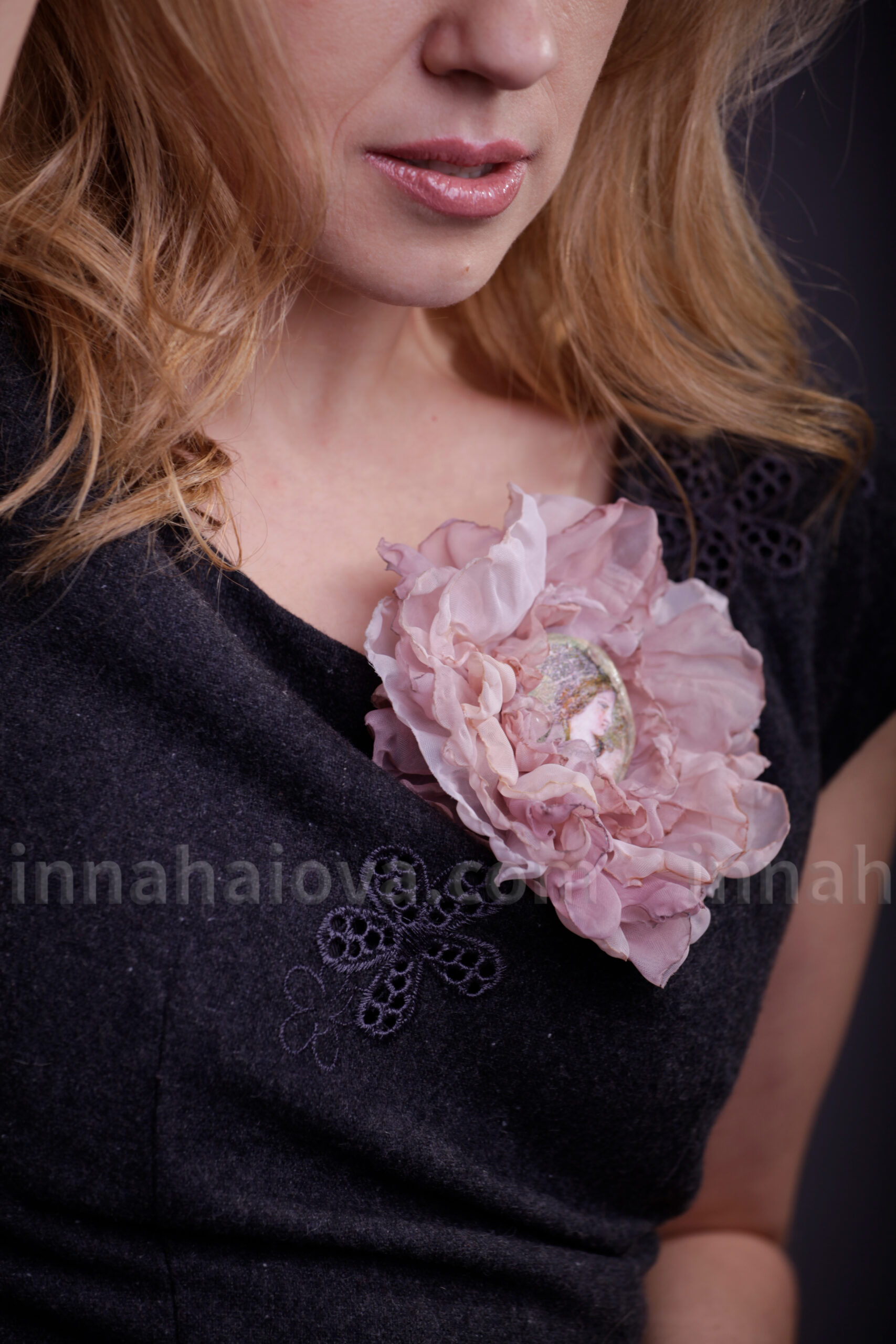
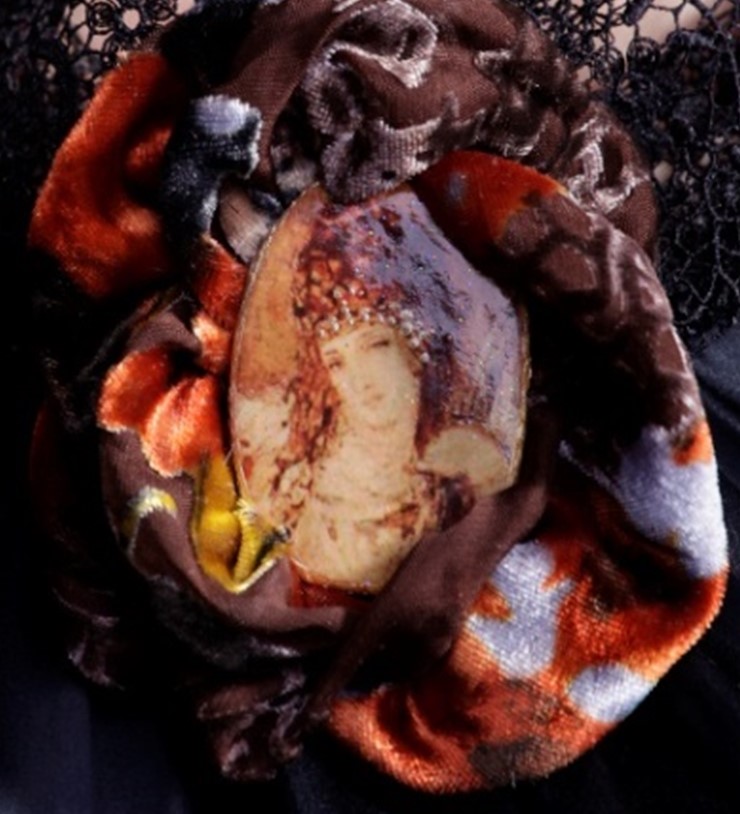
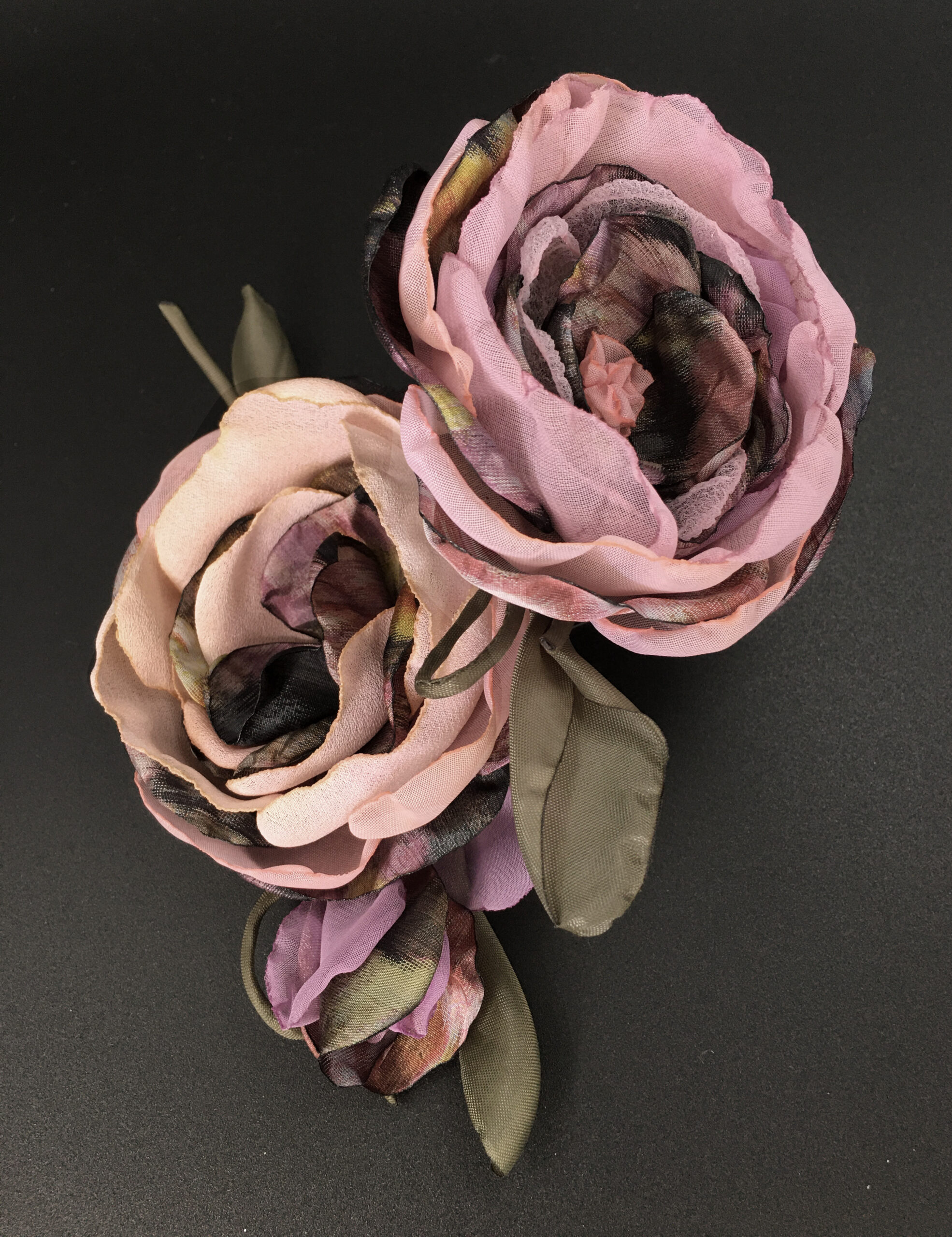
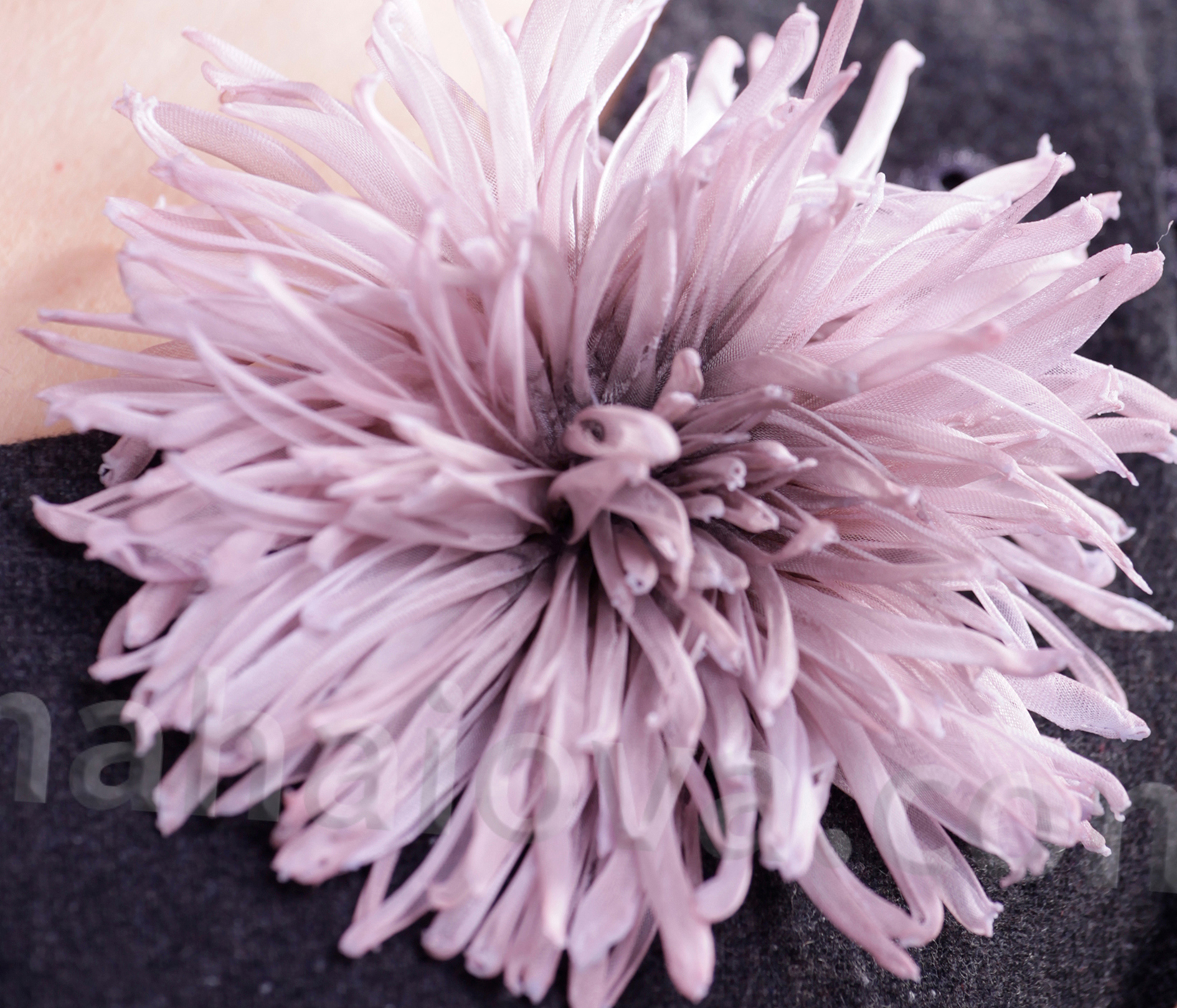
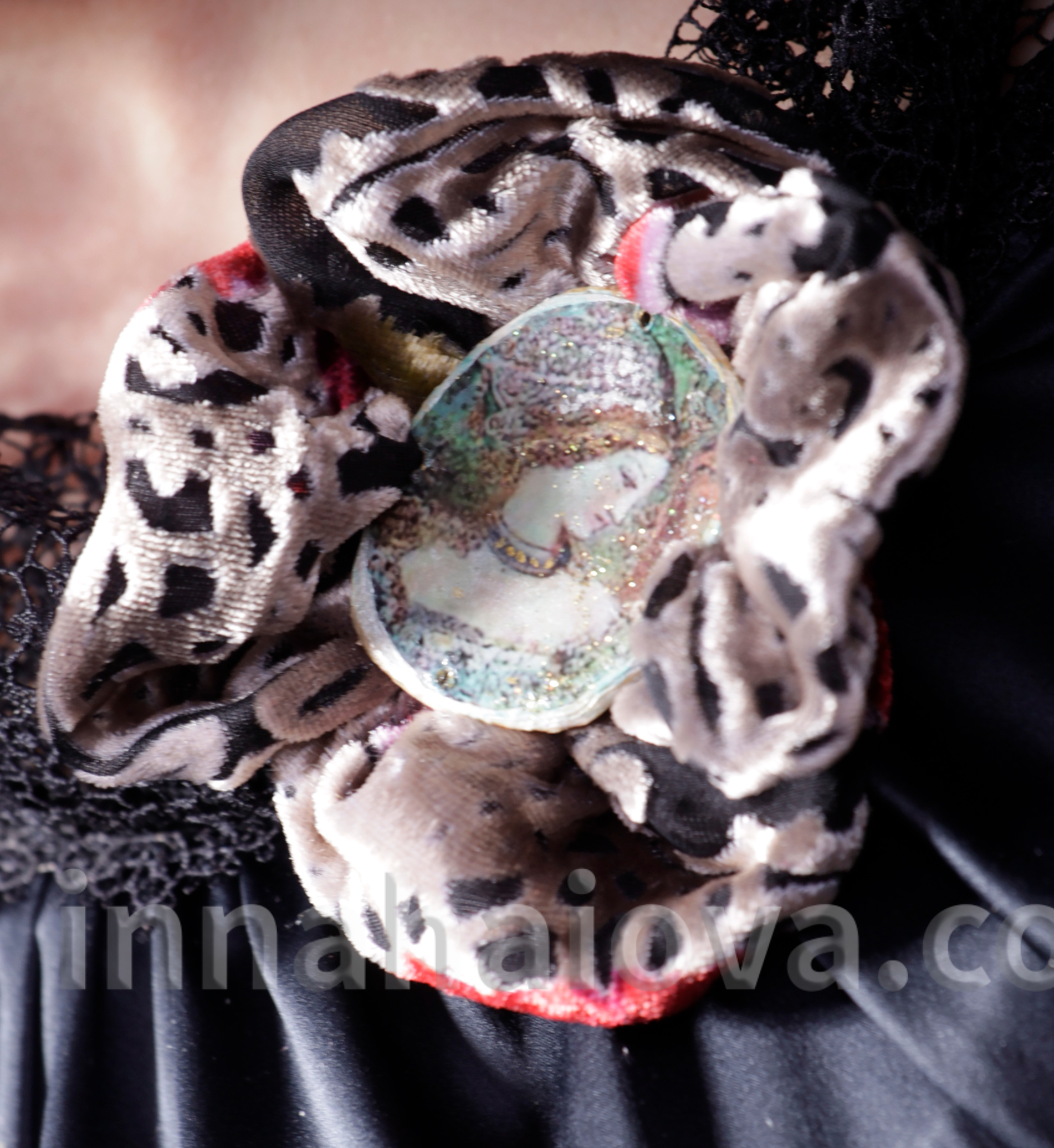
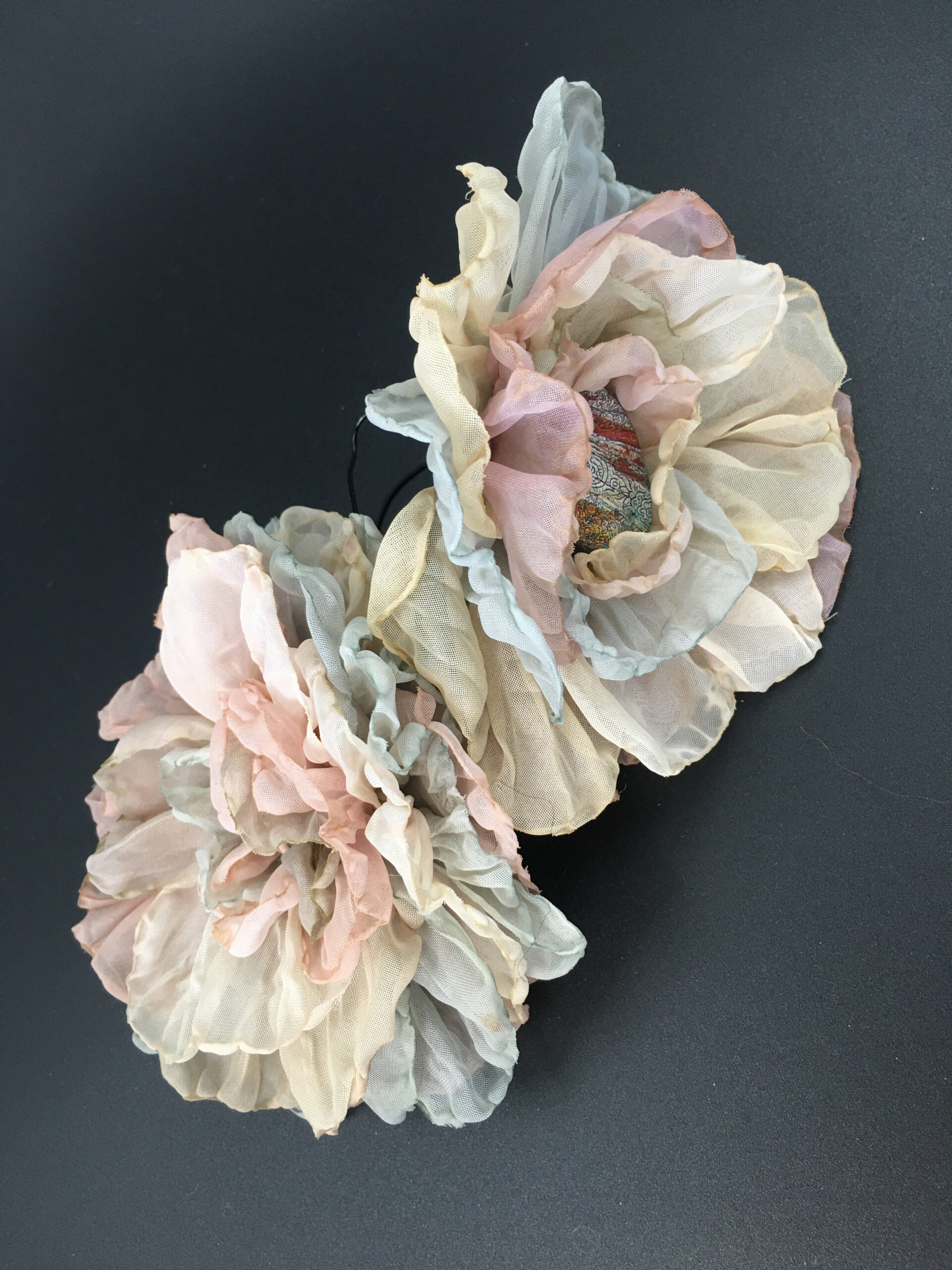
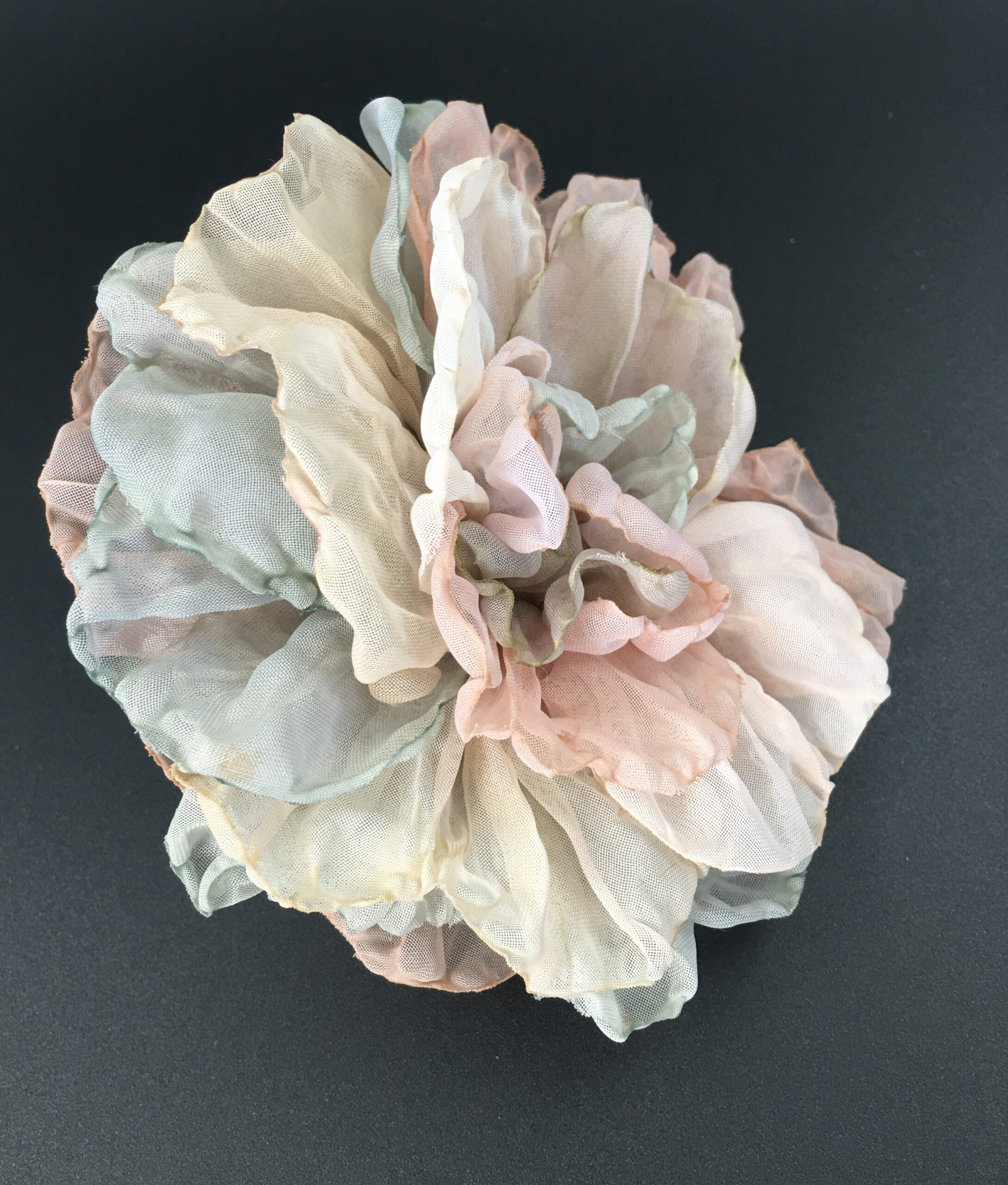
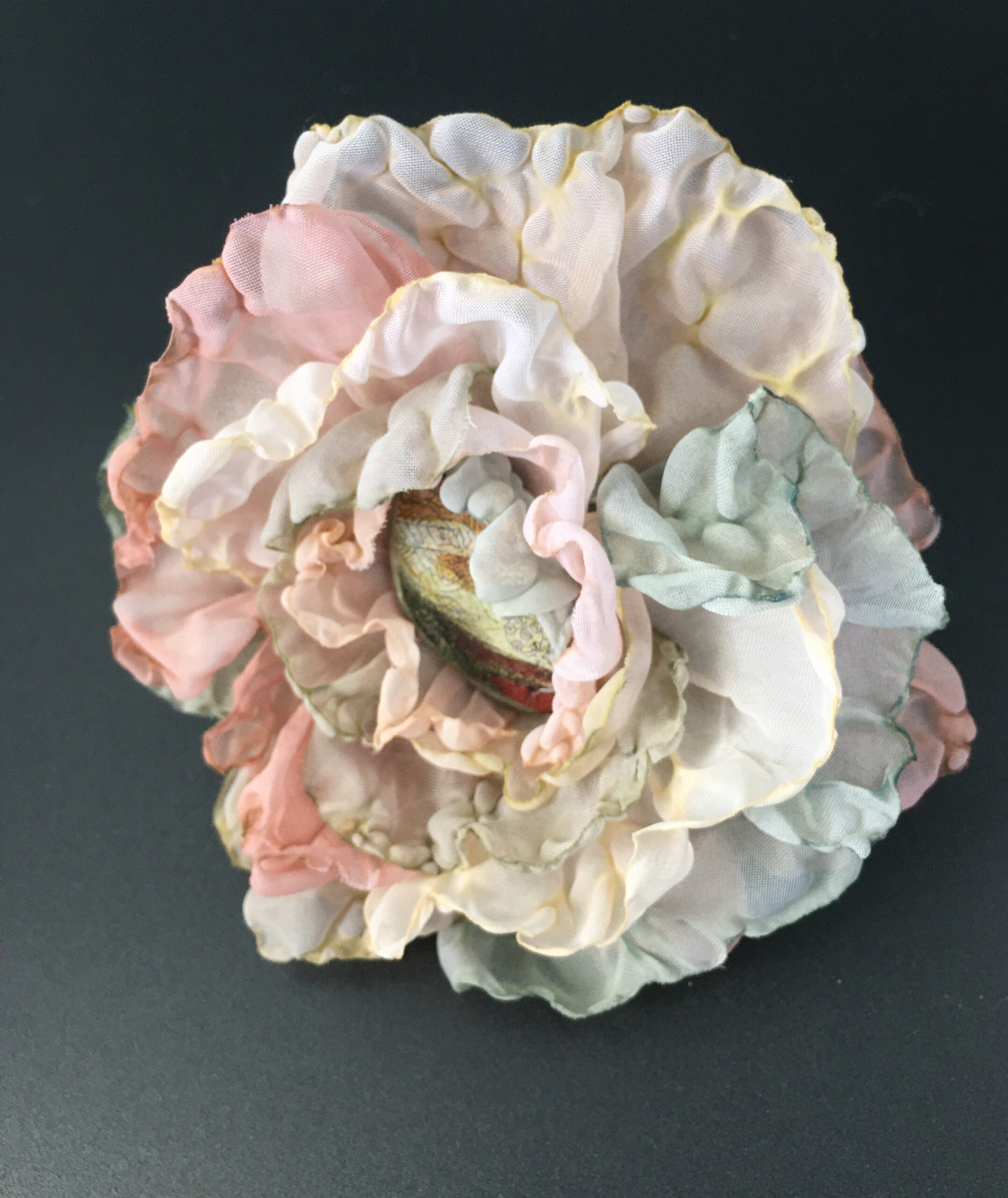
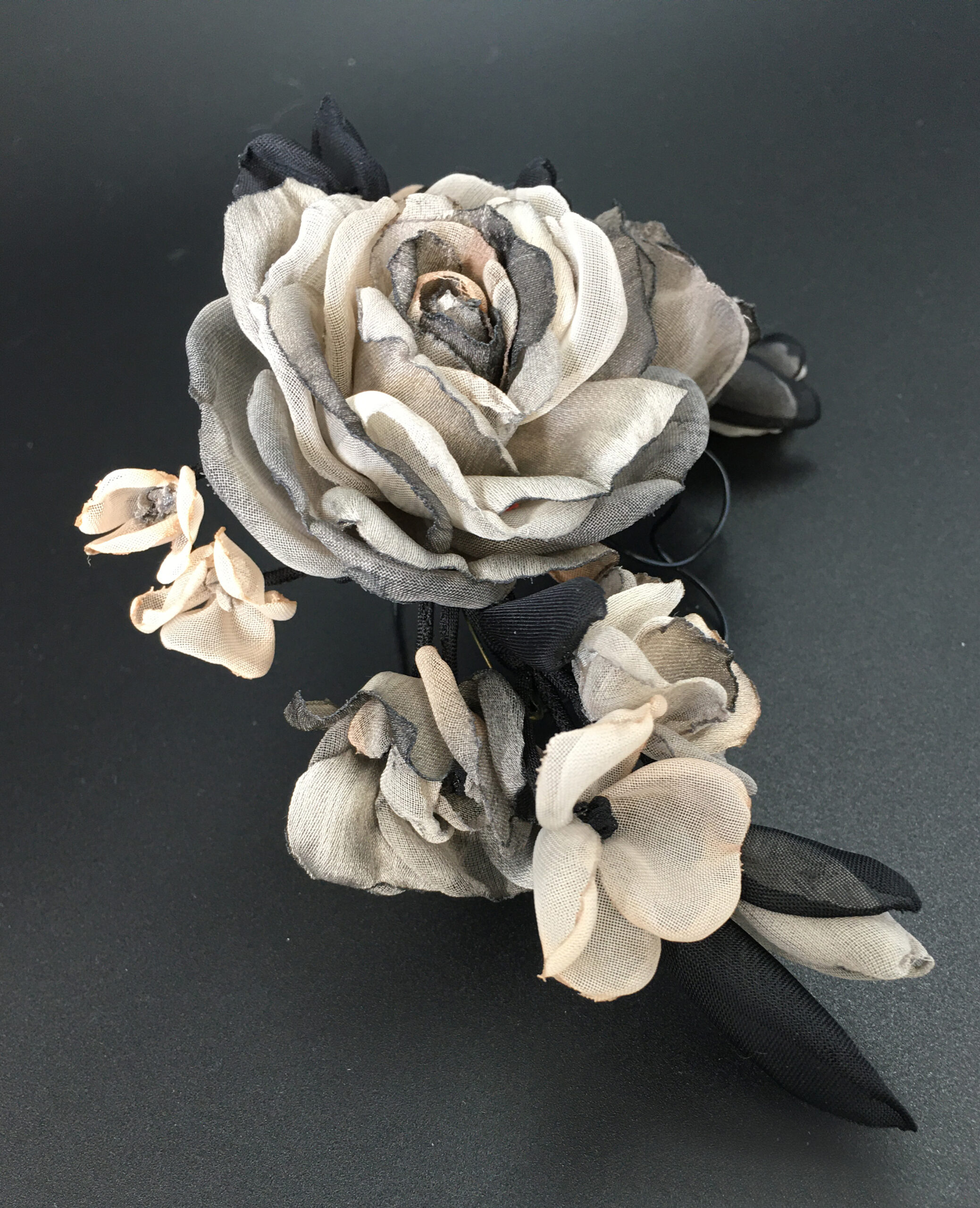
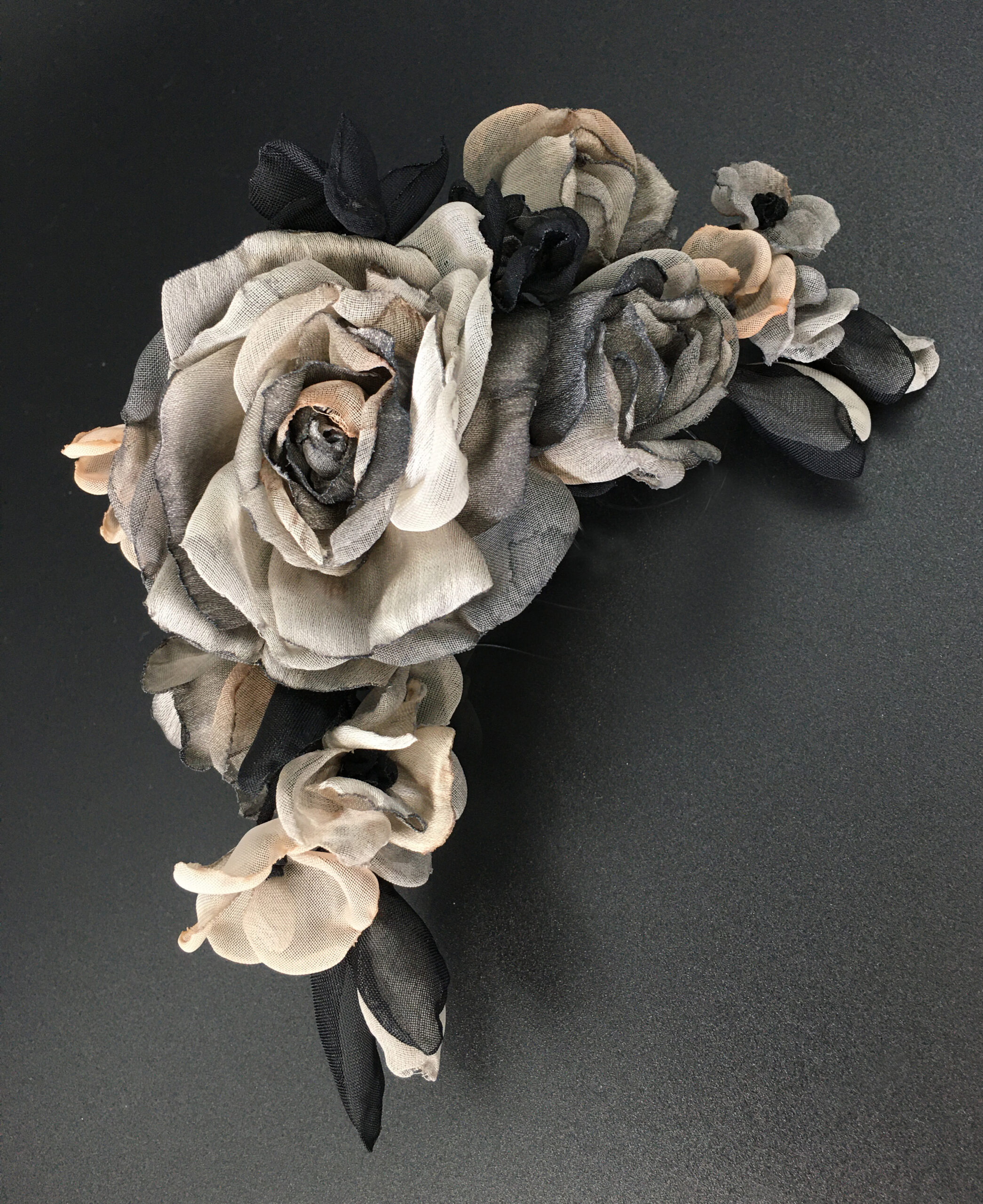
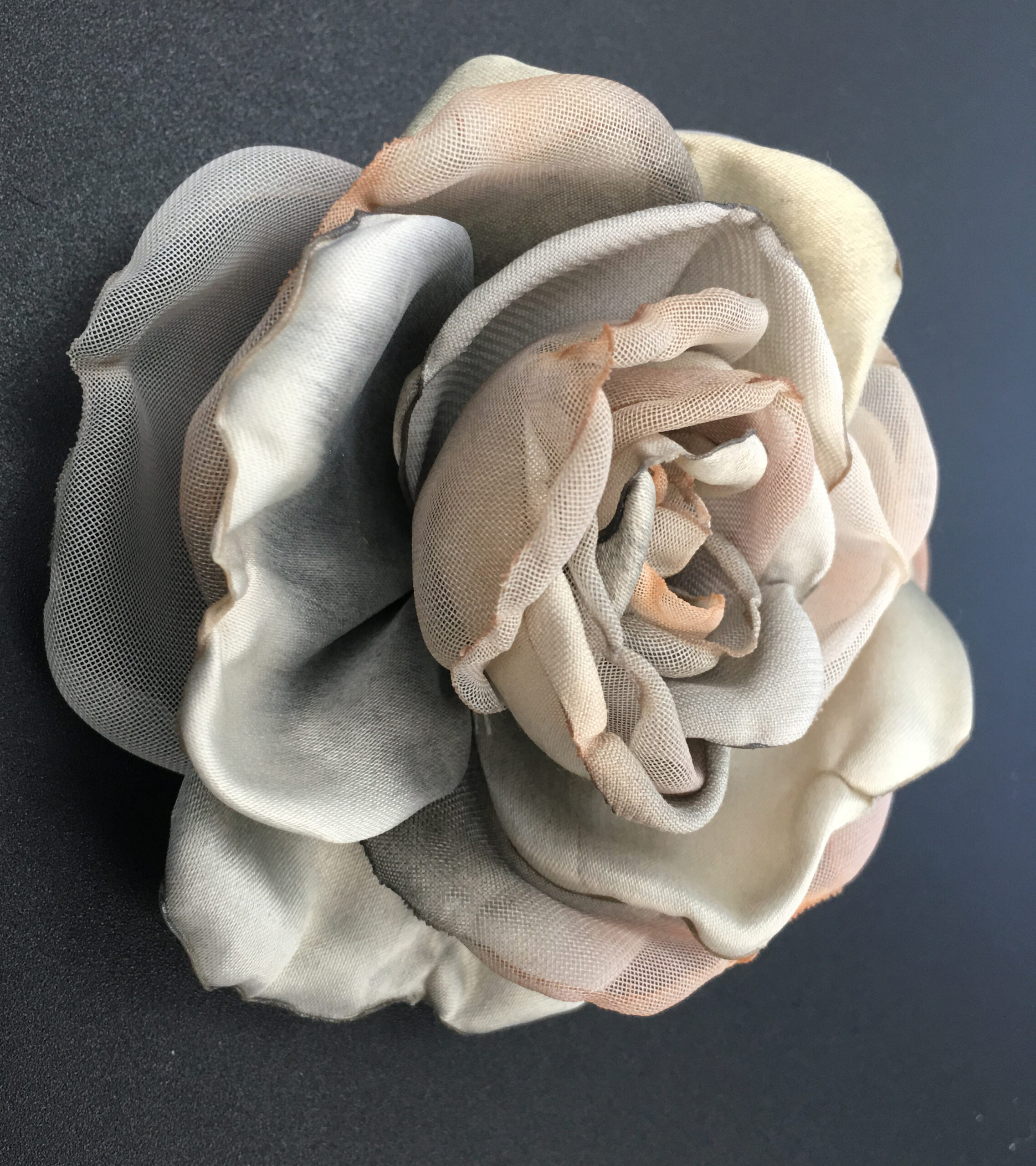
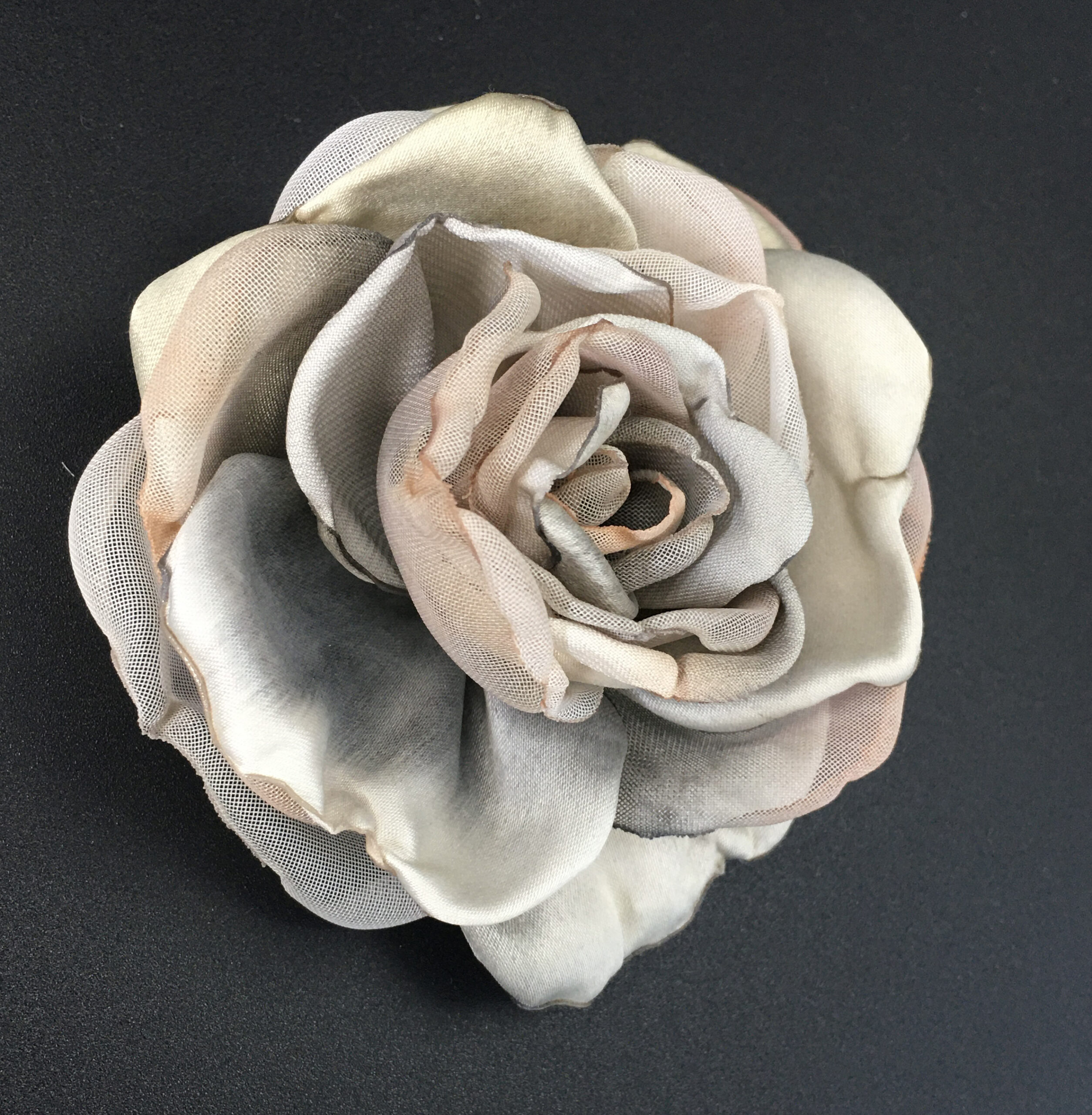
The creation of accessories in a vintage style remains at the forefront of fashion trends. To achieve the vintage aesthetic, specific techniques for surface treatment of materials are used, such as cutting, distressing, crumpling, burning, bleaching, toning, decoupage, craquelure, patination, and others.
When designing a cohesive vintage look, a designer does not always have the opportunity to use authentic elements that align with the creative vision, such as faded fabrics, worn fittings, or a precious antique brooch. However, knowledge of modern materials and skills in surface decoration techniques provide contemporary designers with the creative freedom to develop innovative collections with vintage elements.
There are several methods to alter the appearance of materials to match the style and age of original vintage pieces. The technique of artificial aging is applied depending on the design task, as well as the properties and composition of the material being treated. For example, the effect of “worn fabric” can be achieved through mechanical action, thermal treatment, dyeing, or bleaching:.
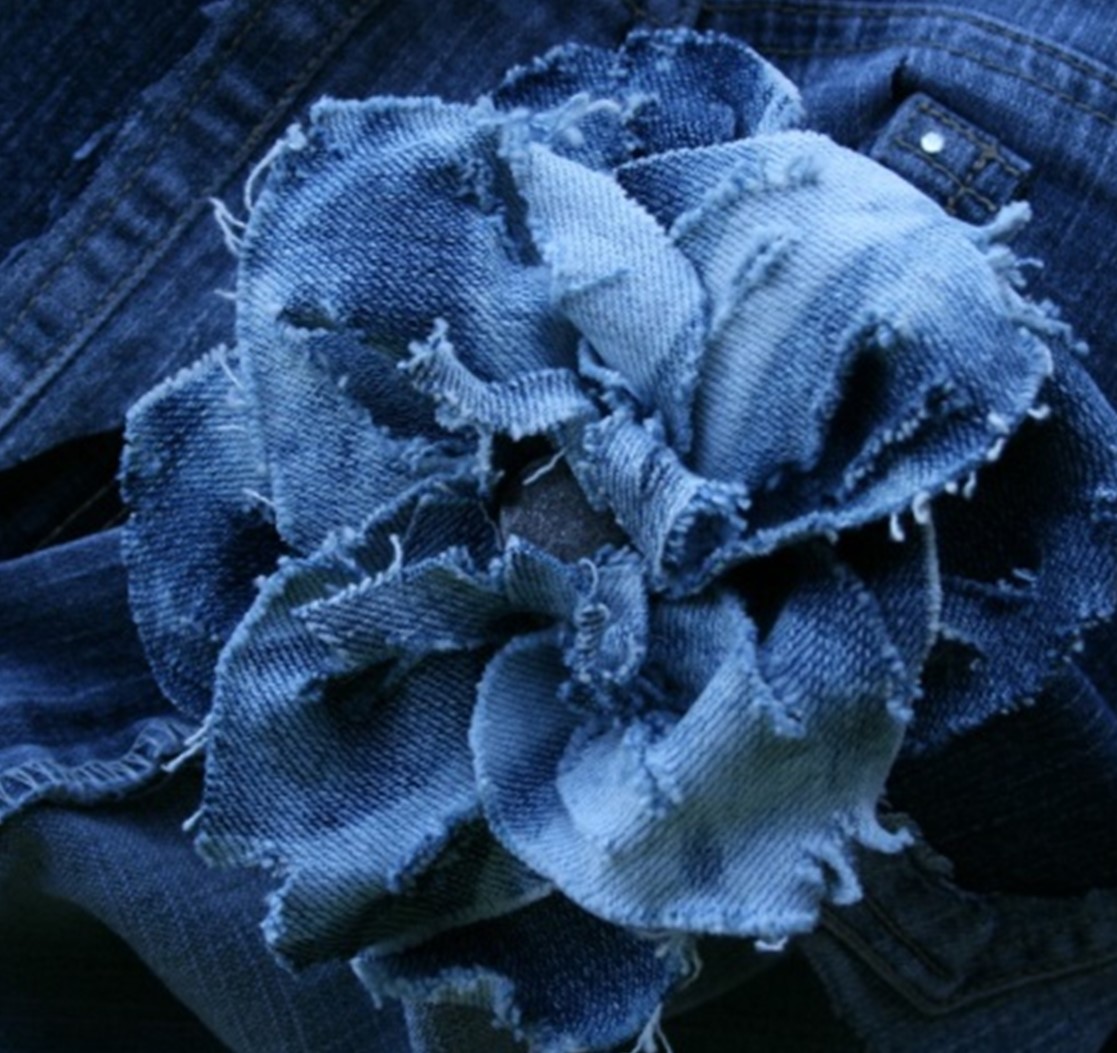
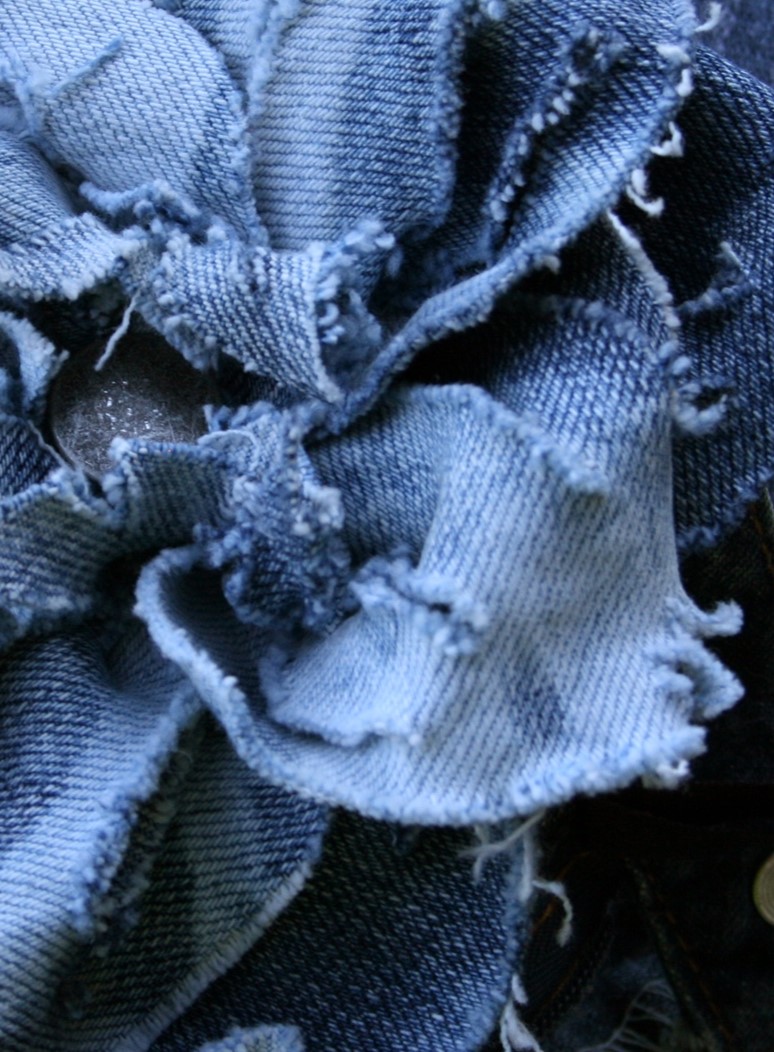
Mechanical Distressing: Tools of varying hardness, such as sandpaper, stones, or felt (for delicate fabrics), are used to create an aged look by partially breaking down the material’s surface structure. Distressed areas on folds and seams add some expressiveness to the piece. Additionally, cuts with frayed edges or decorative mending can enhance the effect.
Craquelure: This technique creates cracks in the paint layer, mimicking aged surfaces. On fabrics, such effects are achieved using wax (e.g., in hot batik). For rigid surfaces, such as bags, shoes, or belts, one-step (single-phase) or two-step (dual-phase) craquelure is used. One-step craquelure imitates cracked paint, exposing the base layer beneath, while two-step craquelure produces a more refined pattern, ideal for creating delicate antique ceramic, glass, or enamel effects.
Patination: This decorative aging method gives surfaces a timeworn patina, with darker areas in the cracks and recesses of relief patterns. Acrylic patina is widely used for its accessibility and versatility, often applied to costume elements like buttons, brooches, or bag details. It can also simulate metal textures which in fact can be made of plastic or wood.
Thermal Treatment: Materials are heated in an oven to achieve a yellowed appearance. For uneven color changes, dyes can be applied before heating.
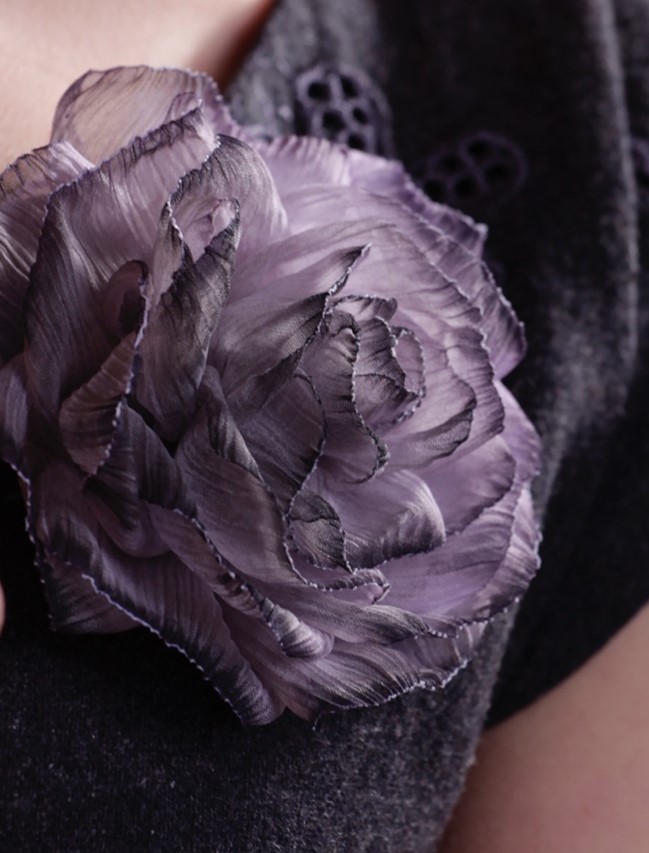
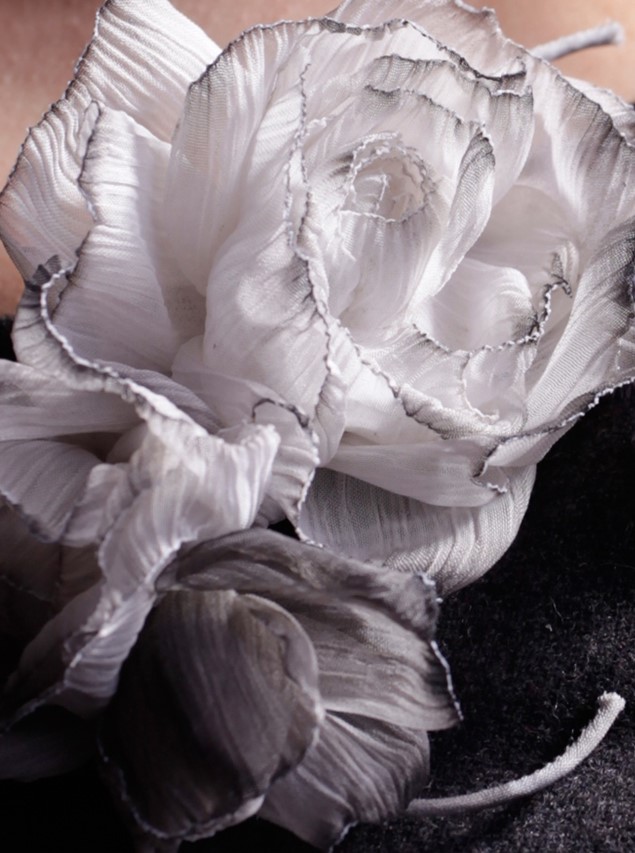
Dyeing and Bleaching: Fabrics can be dyed with natural pigments (e.g., tea, onion skins, or plant juices) or chemical dyes. There are a few different techniques of dyeing fabric such as full or partial immersion in dyes, dyeing pre-folded or twisted fabric, and applying color with a dry brush create an unevenly faded effect. Bleaching of textile materials is typically done with chemical agents (chlorine-based bleach), suitable for natural plant-derived fabrics.
Decorative and Aging Techniques
Decoupage: This involves cutting out and gluing thin paper images to create the effect of painted patterns of rare antique items. Decoupage can be applied to various surfaces, including wood, plastic, glass, fabric, or leather. For textiles, a special decoupage glue-lacquer is used, retaining flexibility after drying. Variations include direct decoupage, reverse decoupage (for transparent surfaces), decoupage with toning or painting, deco-patch (using torn or cut image pieces), and 3D decoupage with modeling paste.
Craquelure: This technique creates cracks in the paint layer, mimicking aged surfaces. On fabrics, such effects are achieved using wax (e.g., in hot batik). For rigid surfaces, such as bags, shoes, or belts, one-step (single-phase) or two-step (dual-phase) craquelure is used. One-step craquelure imitates cracked paint, exposing the base layer beneath, while two-step craquelure produces a more refined pattern, ideal for creating delicate antique ceramic, glass, or enamel effects.
Patination: This decorative aging method gives surfaces a timeworn patina, with darker areas in the cracks and recesses of relief patterns. Acrylic patina is widely used for its accessibility and versatility, often applied to costume elements like buttons, brooches, or bag details. It can also simulate metal textures which in fact can be made of plastic or wood.


Examples of decorative and artificial aging of textile surfaces, accessories, decorative elements: a) bleaching and cutting of the fabric; b) decoupage; c) one-step craquelure; d) imitation of metal; patination
In the training of future fashion designers, these surface treatment techniques are integral not only for creating decorative elements and accessories but also for shaping contemporary costume design.
Read article:


You May Also Like